
Holistic mental health treatment views well-being as a dynamic system that involves mind, body, and environment. It blends evidence-based therapies with lifestyle, sleep, nutrition, movement, and social supports to support the whole person — not just symptoms. The goal is sustainable balance, resilience, and fuller functioning in daily life.
Grounded in collaboration and individualized care, this approach seeks to address root factors such as chronic stress, sleep disruption, trauma, and relationship dynamics. It emphasizes active participation, self-care, and mind-body practices that can complement traditional therapy, making treatment feel more integrated and sustainable over time.
What holistic mental health treatment is and how it works
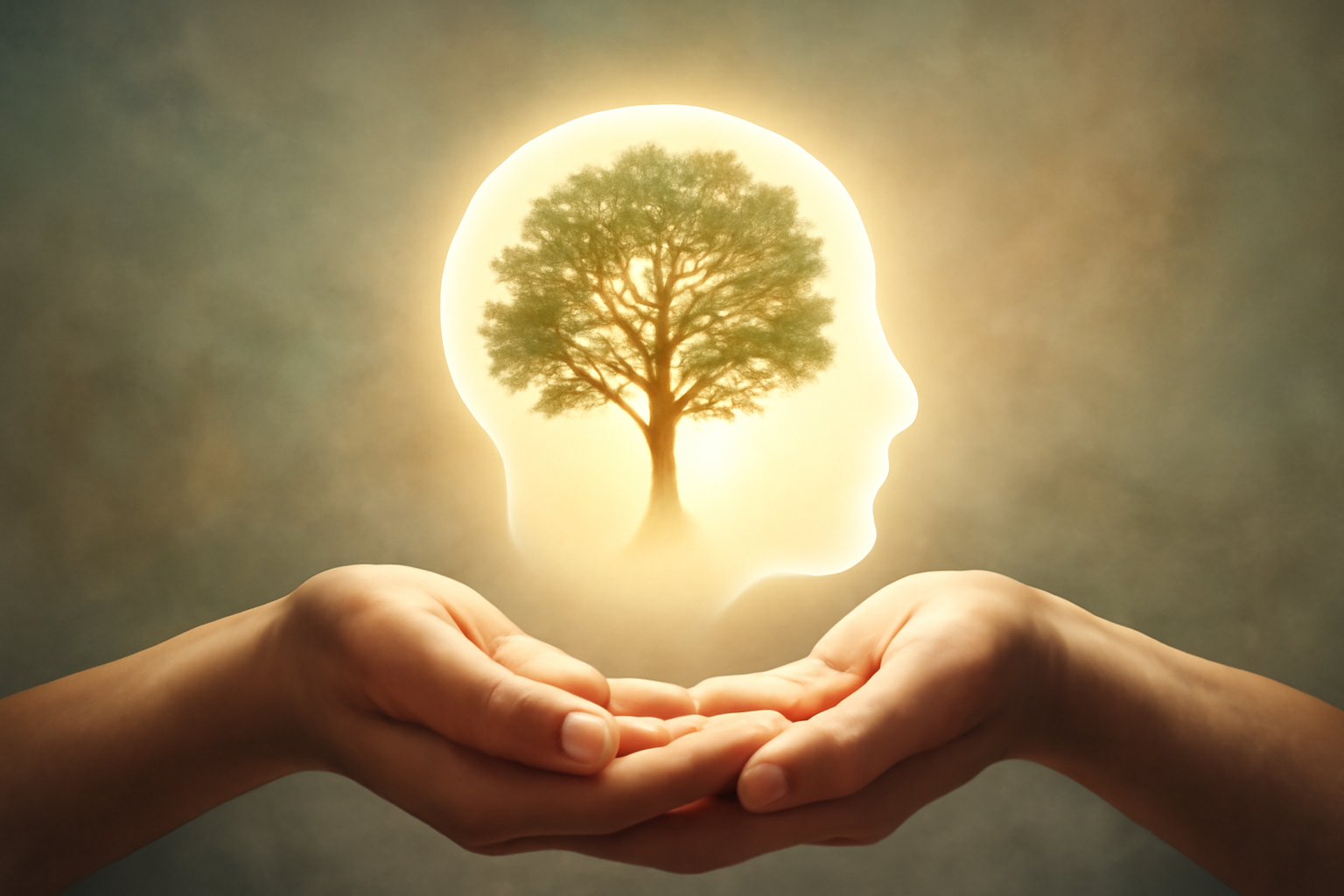
Holistic mental health treatment combines established psychological approaches with strategies that support overall wellness. Practitioners often assess a wide range of influences on mental health, including sleep, nutrition, physical activity, social connections, stress management, and life circumstances. The aim is to reduce distress while improving functioning, coping skills, and quality of life. This approach is particularly effective when symptoms are linked to lifestyle or chronic stress, and when clients prefer an integrative plan that treats the person as a whole.
Core principles and techniques
Core principles
- Person-centered and collaborative care: the client is an active partner in setting goals and choosing interventions.
- Biopsychosocial integration: attention to biological, psychological, social, and environmental factors.
- Tailored, evidence-informed practice: blending validated therapies with holistic practices based on individual needs.
- Prevention and resilience-building: focus on skills and routines that reduce risk of relapse and promote long-term wellness.
- Trauma-informed and culturally sensitive care: recognizing past experiences and cultural context that influence mental health.
- Self-care and empowerment: encouraging practical steps clients can take between sessions to support progress.
Techniques and modalities
- Mindfulness and meditation: developing nonjudgmental awareness of thoughts and sensations to reduce rumination and stress.
- Breathwork and somatic practices: grounding, body awareness, and paced breathing to regulate the nervous system.
- Expressive therapies: art, music, writing, or movement to access emotions and foster insight.
- Psychotherapy approaches integrated with lifestyle strategies: cognitive-behavioral techniques paired with sleep, nutrition, and exercise guidance.
- Movement-based practices: gentle yoga, stretching, or aerobic activity tailored to the individual’s needs.
- Sleep optimization: sleep hygiene, routines, and addressing sleep-disrupting factors.
- Nutrition and energy balance: hydration, balanced meals, and evidence-informed guidance when appropriate (often in collaboration with a clinician or dietitian).
- Trauma-aware approaches: grounding, stabilizing skills, and therapies such as EMDR or somatic therapies when indicated, implemented by trained professionals.
- Expressive and narrative approaches: journaling or storytelling to reframe experiences and cultivate meaning.
- Social connectedness and environmental factors: addressing relationships, community supports, and living conditions that influence mood and stress.
Conditions and issues it’s most effective for
Holistic mental health care shines when distress is linked to lifestyle, stress, or chronic strains, and as a complement to other treatments. It’s commonly used for:
- Anxiety and worry, including generalized anxiety and situational stress
- Depressive symptoms and low mood, especially when linked to sleep, nutrition, or life circumstances
- Trauma-related concerns and post-traumatic stress symptoms, particularly in trauma-informed, integrative settings
- Burnout, chronic stress, and adaptability challenges from work or life transitions
- Chronic pain, illness-related mood difficulties, and fibromyalgia or headaches where behavior, sleep, and mood play a role
- Sleep disturbances and fatigue where lifestyle factors contribute to the problem
- Adjustment difficulties, grief, and meaning-making after loss
Holistic approaches can be especially helpful as an adjunct to conventional treatments (such as medication or specialized trauma therapies). They may be less suitable as a sole treatment for severe psychosis, mania, or complex medical conditions that require intensive medical oversight. Always coordinate with a qualified clinician about what will work best in your situation.
What to expect in sessions: the therapeutic process and timeline
Sessions in holistic mental health care typically blend talk therapy with practical lifestyle and mind-body strategies. Here’s a typical flow you might encounter, though every practice tailors it to the individual:
- Intake and assessment: discussion of current symptoms, history, goals, sleep, nutrition, activity, relationships, work, and stressors. A holistic plan is developed collaboratively.
- Goal setting: clear, achievable objectives that align with values and daily life.
- Education and skill-building: introduction to mindfulness, grounding, stress reduction, sleep strategies, or movement plans.
- Practice and homework: between-session activities such as journaling, paced breathing, or a gentle exercise routine.
- Progress review: regular check-ins to adjust goals, techniques, and pacing based on what’s working.
- Ongoing refinement: as symptoms shift, the plan evolves to emphasize the most helpful components.
Session length commonly ranges from 45 to 75 minutes, with weekly or biweekly frequency in the early stages. Many clients experience tangible benefits within 6–12 weeks, though some pursue longer-term plans to sustain gains and address evolving life circumstances. For some, the approach becomes a set of lifelong self-regulation skills rather than a finite course of treatment.
Qualifications to look for in practitioners
When seeking holistic mental health care, consider both traditional credentials and specialized training in integrative approaches. Look for:
- Licensure and credentials: licensed mental health professionals such as psychologists (PhD/PsyD), licensed clinical social workers (LCSW/LSW), licensed professional counselors (LPC), or licensed marriage and family therapists (LMFT). In medical settings, a board-certified psychiatrist or physician can coordinate holistic plans with other care.
- Trauma- and integrative-focused training: certifications in trauma-informed care, somatic therapies, mindfulness-based therapies, EMDR, or other evidence-based modalities that align with a holistic approach.
- Supervision and ethical practice: ongoing supervision, clear boundaries, informed consent, and discussion of safety planning.
- Clear communication and fit: the practitioner’s style, explanations, and collaborative approach mesh with your values and goals.
- Practical considerations: licensure portability, availability, cost, and whether they accept insurance or offer sliding scale options.
Considerations for choosing this approach
- Personal fit and values: do you feel heard, respected, and empowered in the therapeutic relationship?
- Approach alignment: are you comfortable with a plan that integrates talk therapy, lifestyle adjustments, and mind-body practices?
- Collaboration with other care: how will the holistic plan coordinate with medical doctors, therapists, or nutritionists if you have other treatments?
- Timeline and expectations: what is a realistic duration for achieving your goals, and how will progress be measured?
- Logistics and access: location, scheduling, telehealth options, and affordability or insurance coverage.
- Safety and emergency planning: what happens if there is a crisis or if symptoms worsen between sessions?
- Evidence and scope: understand which components are supported by research and which are complementary.
Getting started: practical steps
- Identify your goals: what symptoms or life areas most affect your daily functioning?
- Research practitioners who advertise integrative or holistic approaches and review their credentials.
- Ask about modalities and collaboration: “Do you use mind-body techniques? How do you track progress?”
- Schedule a consultation: use an initial session to assess fit, safety, and practicality.
- Prepare questions for the first visit: typical intake process, frequency, homework expectations, coordination with other care, and what constitutes progress.
Additional resources for learning more
For readers seeking foundational information on mind-body and integrative approaches, these organizations offer credible overviews and guidelines:
⚠️ This content is for informational purposes only and is not a substitute for professional medical advice, diagnosis, or treatment. Always consult a licensed physician, psychiatrist, psychologist, or other qualified healthcare professional before making decisions about medications, mental health treatment, or alternative and holistic treatment.
Page Contents
- What holistic mental health treatment is and how it works
- Core principles and techniques
- Conditions and issues it’s most effective for
- What to expect in sessions: the therapeutic process and timeline
- Qualifications to look for in practitioners
- Considerations for choosing this approach
- Getting started: practical steps
- Additional resources for learning more
