
Mental and emotional health shapes how we think, feel, and respond to the world. Understanding it helps people cope with stress, sustain relationships, and participate fully in daily life. When this health is strong, learning, work, and personal growth flow more smoothly; when it’s not, struggles can ripple through every corner of life.
This report-style piece explains what mental and emotional health is, why it matters for individuals and communities, and what current research, practical strategies, and reliable resources can offer to support well-being for people of all ages.
From biology to behavior, and from stigma to access to care, the topic spans many fronts. The goal here is to translate complex science into clear, actionable insights for readers — from students and parents to managers and policymakers.
What is mental and emotional health and why is it important?
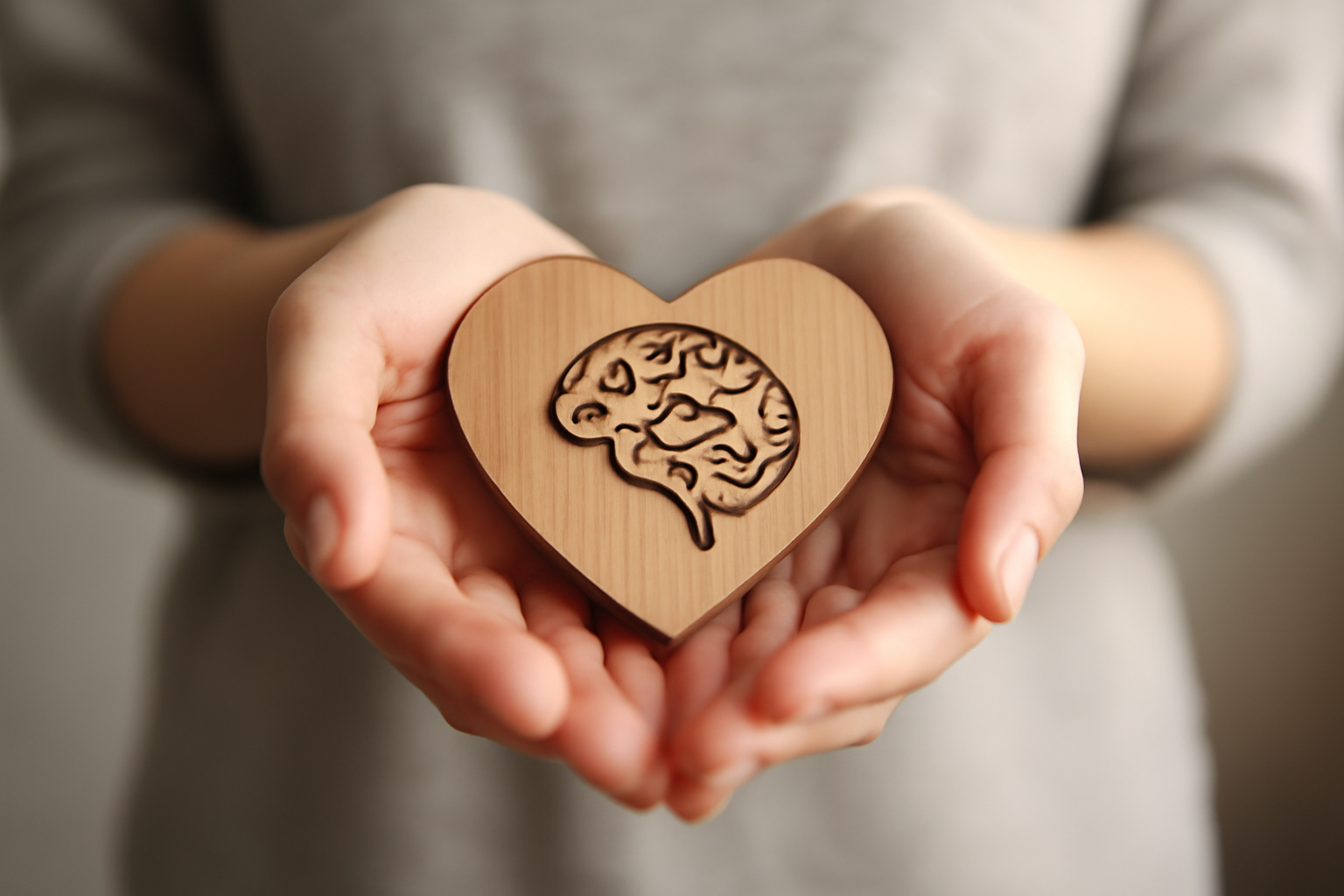
Mental and emotional health refers to the state of our emotional, psychological, and social well-being. It influences how we think, feel, regulate emotions, relate to others, and cope with change. It is not merely the absence of mental illness; it is a resource that allows people to handle daily pressures, pursue goals, and build meaningful connections. When health is strong, people tend to experience greater focus, creativity, and resilience. When it is challenged, stress, anxiety, sadness, or overwhelm can interfere with school, work, and family life.
Everyday experiences — sleep quality, nutrition, physical activity, relationships, workplaces, and communities — play a role. Positive mental health supports decision-making, problem-solving, and self-efficacy, while poor mental health can amplify risk factors and widen gaps in opportunity. Crucially, mental and emotional health exists along a spectrum and can change from day to day, season to season, or in response to big life events.
Key aspects and considerations
- Emotional regulation and coping: How we manage intense feelings, respond to stress, and recover from setbacks.
- Resilience and adaptation: The ability to bounce back from adversity and adjust to new circumstances.
- Social connections: Relationships and a sense of belonging that buffer against loneliness and improve mental health outcomes.
- Sleep, physical health, and lifestyle: Sleep quality, exercise, nutrition, and substance use influence mood and cognition.
- Access to care and stigma: Availability of evidence-based supports and societal attitudes that either hinder or help people seek help.
- Culture, identity, and equity: How race, ethnicity, gender, sexuality, language, and disability shape experiences of mental health care and support.
Current research and developments
Biology and neuroscience
Advances in neuroscience are revealing how brain circuits involved in emotion regulation, reward, and stress response interact with genes, hormones, and environment. Researchers are mapping how early experiences leave lasting marks on neural pathways and how targeted interventions can recalibrate those pathways over time. This growing understanding supports personalized approaches to prevention and treatment, rather than one-size-fits-all models.
Digital mental health and teletherapy
Technology is expanding access to care through teletherapy, mobile apps, and digital interventions that deliver cognitive-behavioral strategies, mindfulness practices, and mood monitoring. While these tools offer convenience and reach, researchers are examining effectiveness, data privacy, and the need for human connection as a key component of many successful programs. Public health guidance increasingly emphasizes using digital tools as complements, not replacements, for professional care when needed.
Social determinants and prevention
Experts are increasingly prioritizing prevention by addressing social factors such as housing, education, income, and discrimination. Programs that bolster early childhood development, school-based mental health services, and workplace wellness initiatives show promise in reducing risk and promoting protective factors across populations. The focus is shifting toward upstream strategies that create healthier environments and reduce disparities in care.
Trauma-informed and inclusive care
Trauma-informed care recognizes the prevalence of trauma and prioritizes safety, choice, collaboration, and empowerment in services. This approach is being integrated across health, education, and social service settings to reduce re-traumatization and improve engagement. Inclusive care also emphasizes culturally responsive practices that honor diverse identities and backgrounds.
Practical steps
For individuals
- Monitor mood, sleep, stress levels, and daily functioning. Keep a simple journal or mood tracker to spot patterns and triggers.
- Establish predictable routines — regular sleep, meals, physical activity, and breaks during the day — to support stability.
- Practice simple coping skills: box breathing, grounding exercises, or short mindfulness moments to manage intense feelings in the moment.
- Seek professional support when symptoms interfere with daily life for several weeks, or if thoughts of self-harm arise. Early help improves outcomes.
- Balance digital tools with real-world connections; use apps as supplements to therapy, not substitutes.
For families and friends
- Offer consistent, nonjudgmental support; listen more than you fix, and acknowledge what the person is experiencing.
- Learn the warning signs of crisis and know local resources or crisis lines for immediate help.
- Encourage healthy routines and social activities that build connection without pressuring the person to “cheer up.”
For workplaces
- Foster a culture that prioritizes mental health: flexible scheduling, reasonable workload, and access to employee assistance programs.
- Provide mental health education, de-stigmatize help-seeking, and train managers to recognize distress and respond with care.
- Implement evidence-based stress reduction programs, regular check-ins, and accommodations when needed.
For schools and communities
- Integrate social-emotional learning into curricula and provide on-site mental health supports.
- Engage families with clear information about signs of distress and where to access help.
- Promote inclusive, trauma-informed practices that create safe environments for all students and residents.
Note: This article is informational and not a substitute for professional medical advice. If you are concerned about your mental health or that of someone else, consider reaching out to a qualified mental health professional or a trusted healthcare provider.