
Understanding how social media shapes mood, self-esteem, and behavior is essential in a digital age.
This awareness helps people use platforms more mindfully, build healthier online communities, and guide clinicians and educators in supporting well-being.
What social media is and why it matters for mental health
Social media refers to online platforms that enable people to create, share, and connect through text, images, and video. It includes networks for communication, communities built around interests, and spaces for self-expression. Mental health encompasses emotional well-being, stress management, resilience, and the ability to relate to others in meaningful ways.
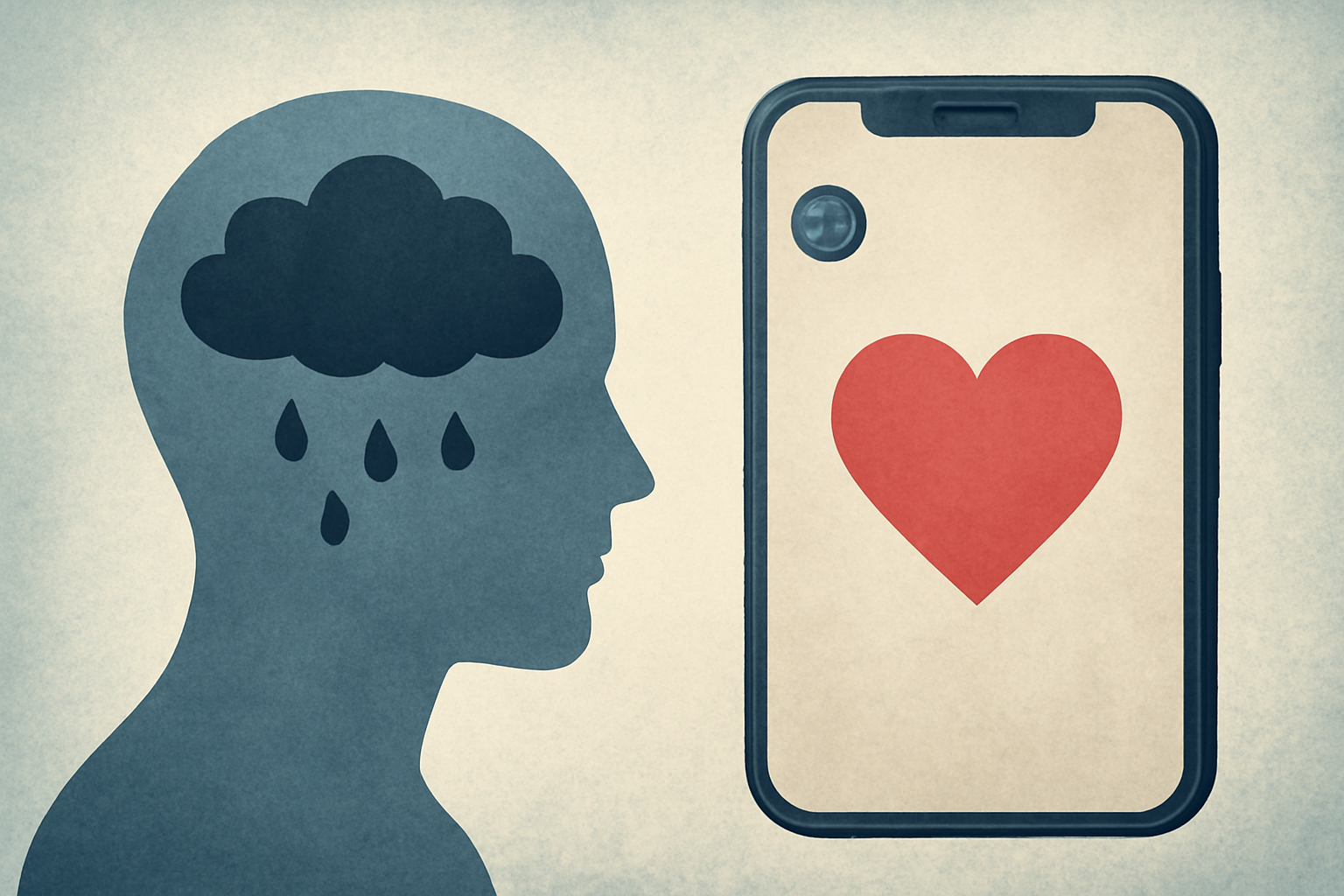
The relationship between social media and mental health is complex and bidirectional. For many people, these platforms provide belonging, validation, social support, and opportunities to express identity. For others, they can fuel stress, self-criticism, and fear of missing out. The effects depend on how people engage (passively scrolling vs. actively communicating), what they consume (realistic versus idealized portrayals), who they interact with, and the broader context of their lives.
Research consistently shows that social media is neither inherently good nor bad for mental health. Rather, its impact emerges from patterns of use, content exposure, and individual risk factors. Understanding these dynamics helps people leverage the positives—connection, information, and community—while reducing potential harms like unhealthy comparisons, cyberbullying, or excessive screen time.
Key aspects and considerations
Platform design matters as much as what you post. Algorithms curate feeds to maximize engagement, often highlighting highly stimulating or controversial content. Notifications, “likes,” and shares provide social feedback loops that can reinforce certain behaviors and moods. This design can amplify both connection and distress, depending on the content surfaced and how people interpret it.
User behavior also matters. Passive scrolling can lead to more negative mood or envy, while active engagement—commenting, messaging friends, sharing supportive content—tends to be associated with positive feelings for some users. The type of content matters too: supportive communities and authentic storytelling can bolster resilience, whereas idealized images, harassment, or toxic comparisons can undermine well-being.
Age, upbringing, and life circumstances shape how social media affects mental health. Teens and young adults may be particularly sensitive to peer feedback and image norms, while adults may experience stress related to work, parental responsibilities, or online privacy concerns. Privacy and data use are also important: what platforms learn about you and how they use that data can influence advertising, content recommendations, and a sense of safety.
Digital literacy—being able to critically evaluate information, distinguish rumor from fact, and understand online safety—helps people navigate these spaces more confidently. Setting boundaries, managing time, and curating feeds are practical tools for reducing harm and amplifying benefits.
Current research and developments
The scientific picture is nuanced. Large reviews often find small to modest associations between extensive social media use and symptoms of depression and anxiety, especially when use is heavy and primarily passive. Importantly, causality is hard to establish: distress can lead people to use social media differently, and platforms themselves can influence mood through the content they surface.
What helps? Engagement that is active and meaningful—reaching out to friends, joining supportive communities, or using platforms for information and connection—can correlate with positive outcomes for some users. Conversely, frequent exposure to idealized images, online conflict, hate, or harassment tends to relate to higher distress for many people.
Researchers are also examining platform design changes aimed at improving wellbeing. These include more transparent algorithms, clearer controls for screen time and notifications, and features that encourage breaks or reflective use. There is growing interest in how “digital literacy” training, school-based programs, and community interventions can buffer risks while preserving the benefits of online connection.
Developments in health-focused tech are influencing practice as well. Clinicians and educators increasingly discuss social media as part of mental health assessments, and researchers are exploring how to measure not just time spent but the quality of online experiences. While promising, these efforts remind us that individual differences matter and that one-size-fits-all guidance is rarely sufficient.
Practical implications for everyday use
- Start with self-awareness. Track how you feel after different types of use (e.g., scrolling, posting, messaging). If certain patterns consistently bring distress, adjust your habits.
- Curate your feed. Unfollow or mute accounts that trigger negative emotions. Seek out creators who provide balanced perspectives, support, or practical guidance. Consider following communities that promote well-being, learning, or constructive conversation.
- Be deliberate about time. Set daily limits, design a wind-down routine, and designate device-free times (e.g., during meals or before bed). Use built-in tools to help manage notifications and screen time.
- Prefer active over passive use. Comment, message friends, or engage in collaborative projects. Meaningful interaction often provides a sense of connection that passive scrolling may not.
- Protect privacy and safety. Regularly check privacy settings, think before sharing personal details, and avoid engaging with abusive content. Report harmful behavior and seek support if you feel overwhelmed.
- Balance online and offline life. Prioritize sleep, physical activity, real-world social connections, and hobbies. Strong offline supports can buffer online stress.
- For families and educators, model healthy use and have open conversations about media expectations, online kindness, and boundaries. Co-create guidelines that fit your values and realities.
- If distress persists, seek professional help. A therapist or counselor can help tailor strategies to your needs and coordinate care when social media use intersects with mental health.
Resources for further support
If you or someone you know is in immediate danger or at risk of harm, contact local emergency services right away. For ongoing mental health support and reputable information, the following resources can be helpful:
- National Suicide Prevention Lifeline (US)
- Crisis Text Line (US)
- Samaritans (UK & ROI)
- Mental Health America (US)
- ReachOut (youth resources, US)
- NHS guidance on social media and mental health (UK)
- American Psychological Association on technology and social media.
- Mental Health Foundation on how social media affects mental health.
If you’re looking for local or region-specific resources, talk to a trusted healthcare professional or search for “mental health support” followed by your country or city name, and add the term “social media” to find tailored guidance and local services.