
What good mental health is and isn’t
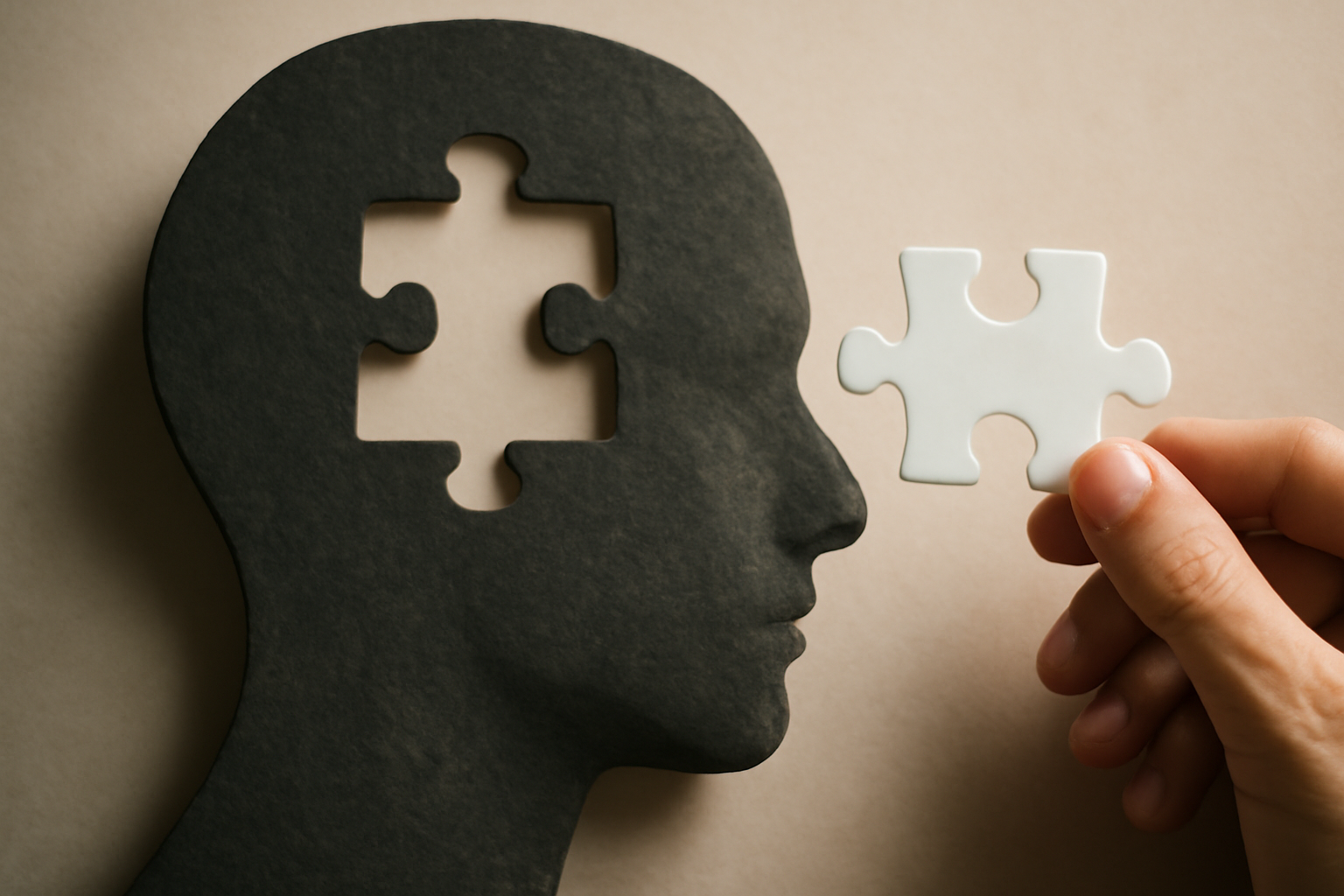
Mental health refers to emotional, psychological, and social well-being. It affects how we think, feel, and act; it influences how we cope with stress, relate to others, and make choices. Good mental health supports our ability to realize our potential, work productively, and participate in community life.
It exists on a spectrum. Everyone experiences ups and downs, and feeling worried, sad, or overwhelmed at times is part of the human experience. Mental health is not simply the absence of mental illness; it also involves positive functioning, resilience, and the capacity to enjoy life.
Why mental health matters
Mental health shapes every part of life—from daily routines to long-term goals. It affects physical health, sleep, work or school performance, and relationships. When mental health is supported, people are more likely to engage in healthy behaviors, ask for help when needed, and recover from stressors more effectively.
Conversely, untreated distress can worsen other health issues, widen social disparities, and reduce participation in meaningful activities. Reducing stigma and expanding access to evidence-based supports helps communities thrive and ensures people can lead fulfilling lives.
Key aspects and considerations
- trong> recognizing, naming, and managing feelings; having strategies to regulate emotions under stress.
- Resilience and coping: the ability to bounce back from setbacks, adapt to change, and maintain purpose.
- Relationships and social connections: supportive bonds, healthy communication, and a sense of belonging.
- Sleep, energy, and physical health: regular rest, nutrition, exercise, and medical care that support mental states.
- Meaning and purpose: alignment with values, goals, and activities that give life direction.
- Access to care and support: recognizing when professional help is needed and knowing where to find it.
- Environment and social determinants: housing, income, safety, discrimination, trauma, and community resources.
- Cultural context and identity: how culture, language, and identity shape experiences and help-seeking.
- Stigma and discrimination: barriers to seeking help and participating fully in society, and the importance of anti-stigma efforts.
These aspects are interconnected. A strength in one area can buffer challenges in another, and effective support often requires addressing multiple factors—personal skills, relationships, and systems of care.
Current research and developments
Modern mental health science emphasizes both prevention and treatment, guided by advances in neuroscience, psychology, and public health. Researchers study how brain networks respond to stress, how genes interact with environment, and how social determinants shape risk and resilience.
Digital health tools are expanding options for screening, self-management, and remote care. Telehealth has broadened access to therapy, psychiatric care, and crisis support, while digital programs can deliver cognitive behavioral strategies, mindfulness, and psychoeducation at scale.
There is growing emphasis on trauma-informed, person-centered care that respects autonomy, culture, and preferences. Early intervention and prevention—especially for children and youth—are key priorities, aiming to reduce the future burden of mental illness.
For readers seeking evidence-based context, you can explore comprehensive resources on mental health from reputable organizations such as:
- World Health Organization — Mental health
- WHO — Mental health fact sheet
- NIMH — Mental health topics
- APA — Mental health
For a broader public-facing perspective on how society supports mental health, see the Mental Health Foundation and related organizations serving diverse communities.
Practical implications: turning knowledge into everyday support
Applying what we know about mental health starts with shaping daily routines and environments that nurture well-being. Small, consistent steps can have meaningful effects over time.
- Establish a stable routine: regular sleep-wake times, meals, and physical activity can reduce stress and improve mood.
- Prioritize sleep and physical health: aim for 7–9 hours of sleep when possible; incorporate movement and balanced nutrition into your day.
- Practice stress management: brief mindfulness or breathing exercises, progressive muscle relaxation, or cognitive reframing can reduce reactivity to stressors.
- Foster connections: stay connected with trusted friends or family; meaningful social support buffers distress and enhances resilience.
- Set boundaries with technology: create tech-free times, especially around sleep, to improve focus and mood.
- Develop coping skills: learn problem-solving steps, break problems into manageable parts, and seek help when challenges overwhelm you.
- Seek timely care: if distress interferes with daily life for weeks or you have persistent thoughts of harming yourself, reach out to a professional or trusted person promptly. If you’re in crisis, contact local emergency services or a crisis line.
- Cultivate meaning and purpose: engage in activities aligned with your values, set small goals, and celebrate progress, not perfection.
- Advocate for supportive environments: workplaces, schools, and communities that normalize help-seeking and provide accessible resources improve overall well-being.
Support resources
If you’re looking for reliable information or direct help, the following organizations offer evidence-based guidance and practical tools. When you click a link, it will open in a new tab and include a tracking parameter for attribution.
- World Health Organization — Mental health
- WHO — Mental health fact sheet
- NIMH — Mental health topics
- APA — Mental health
- Mind (UK) — Types of mental health problems
- Mental Health America — Mental health information
- Mental Health Foundation — Information and support
If you are in immediate danger or considering self-harm, please seek urgent help from local emergency services or a crisis line in your country. In the United States, you can call or text 988 for the Suicide & Crisis Lifeline.