
Severe anxiety is a real, treatable pattern of intense fear or worry that can disrupt daily life. This article provides a clear overview of what it is, why it matters, how to recognize common signs, when symptoms typically arise, how it differs from ordinary stress, when to seek help, and practical strategies to cope.
Because seeking information about mental health is a healthy, responsible step, this piece aims to normalize asking questions and exploring options. The goal is to help you understand your experiences, know when to act, and find support that fits your needs.
What is severe anxiety and its significance
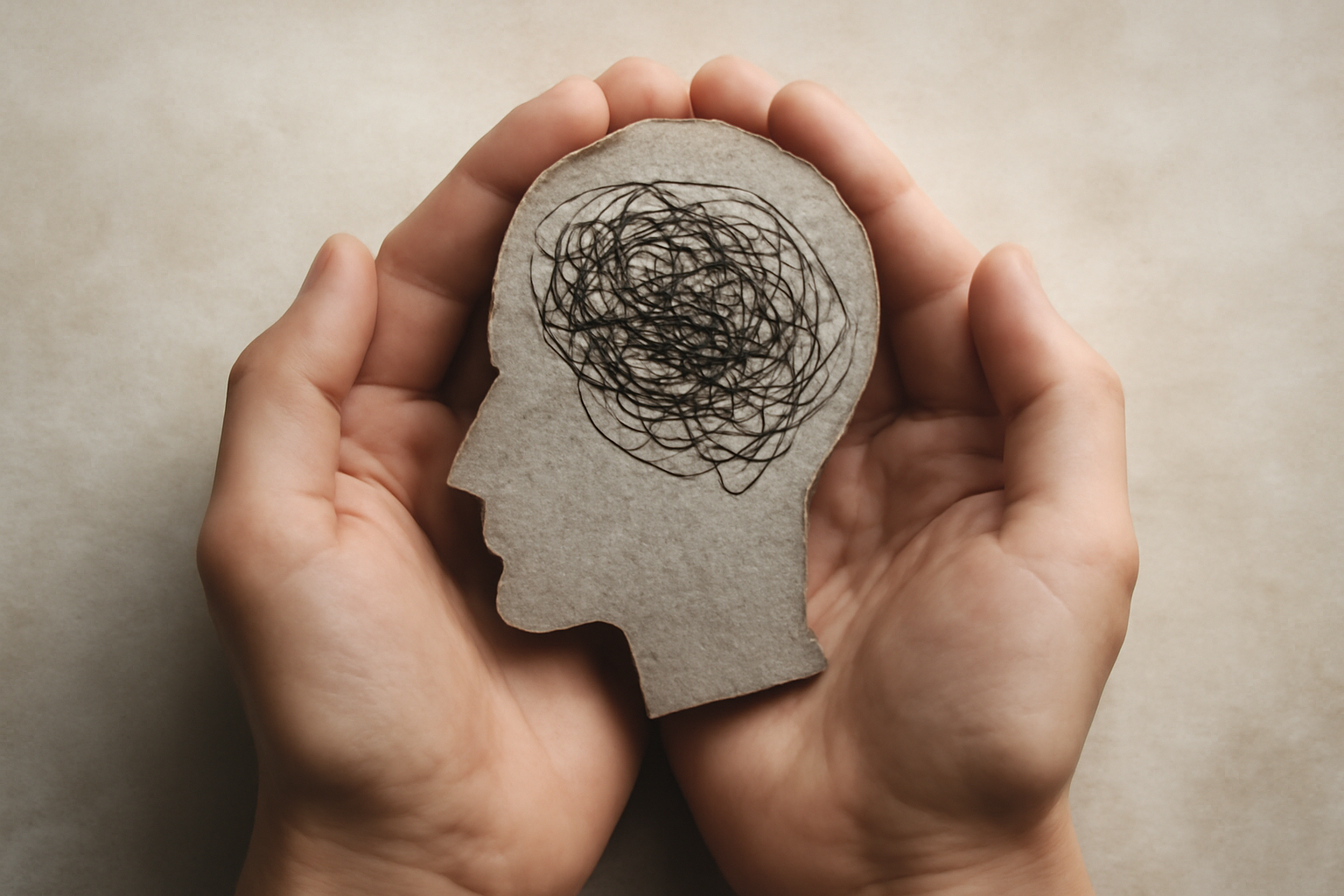
Severe anxiety refers to persistent, intense worry or fear that can feel overwhelming and hard to control. It may be part of an anxiety disorder, such as generalized anxiety disorder, panic disorder, social anxiety, or specific phobias, but the common thread is distress that spills into many parts of life. The significance of severe anxiety lies in how it can interfere with sleep, concentration, work or school performance, relationships, and physical health. Left unmanaged, it can increase the risk of mood disorders, substance use, and chronic stress-related symptoms. Understanding that this is a recognizable and treatable pattern helps people seek appropriate care and support.
Common signs and manifestations
- Physical symptoms: rapid heartbeat or palpitations, chest tightness, shortness of breath, sweating, trembling or shaking, dizziness, nausea or upset stomach, headaches, fatigue, muscle tension.
- Cognitive symptoms: persistent worries about worst-case outcomes, difficulty concentrating, intrusive thoughts, and racing or scattered thoughts.
- Emotional symptoms: a sense of dread, irritability, restlessness, feeling overwhelmed, excessive vigilance.
- Behavioral symptoms: avoidance of feared situations, safety behaviors, withdrawal from social activities, repeated checking or reassurance seeking.
- Sleep changes: trouble falling or staying asleep, nightmares, or restless sleep.
When these symptoms typically occur
Symptoms can begin at different times and for different reasons. Some people notice them after a stressful life event, while others develop symptoms gradually over weeks or months. For many, anxiety tends to fluctuate with life circumstances—peaking during high-pressure times (like exams, work deadlines, or major life transitions) and easing during calmer periods. In some cases, symptoms may be chronic, lasting many months or longer. Panic attacks—sudden surges of intense fear with physical symptoms—can occur with or without an identifiable trigger, and they may lead to avoidance of situations where another attack might occur.
How severe anxiety differs from normal experiences
- Normal worry is usually proportional to a real threat, while severe anxiety often feels disproportionate to the situation.
- Everyday stress passes with time; severe anxiety tends to be persistent, lasting weeks to months or longer.
- Normal anxiety rarely cripples daily life; severe anxiety often impairs sleep, work, school, and relationships.
- Physical symptoms can be extreme and frequent, not just occasional.
- Excessive avoidance, compulsions, or safety behaviors may become entrenched, making it harder to resume normal activities.
When to seek professional help
Consider reaching out to a healthcare professional if anxiety symptoms are persistent, cause significant distress, or interfere with daily functioning. Warning signs that warrant prompt attention include:
- Symptoms lasting several weeks or more with little improvement.
- Inability to carry out everyday tasks at work, school, or home.
- Self-harming thoughts, or thoughts of harming others.
- Sudden, intense panic attacks that feel unmanageable or unsafe.
- Substance use to cope with anxiety, or a sense that anxiety is controlling your life.
If you’re not sure where to start, consider talking with a primary care physician, who can help assess symptoms and connect you with mental health professionals. For reliable information about anxiety disorders, you can visit: NIMH — Anxiety disorders. Mayo Clinic — Anxiety disorders: Symptoms and causes.
Supportive strategies
Beyond professional care, several practical strategies can help reduce distress and improve functioning. Try a mix to discover what works best for you. If any technique worsens your symptoms, stop and consult a clinician.
Immediate coping techniques
- Practice slow, deep breathing (for example,4-7-8 or box breathing) for several minutes to reduce physical arousal. Use grounding techniques like the 5-4-3-2-1 method (name 5 things you see, 4 you feel, 3 you hear, 2 you smell, 1 you taste) to anchor in the present moment.
- Notice anxious thoughts without judgment and gently label them as thoughts, not facts. Ask, “What is the evidence for and against this thought?”
- Have a brief routine (a calm place, a comforting object, a familiar scent) you turn to when anxiety spikes.
Longer-term lifestyle and self-care
- Aim for a consistent sleep schedule, a calming pre-sleep routine, and a sleep-friendly environment.
- Regular physical activity (even a 20–30 minute walk most days) can reduce overall anxiety symptoms and improve mood.
- Limit caffeine, alcohol, and non-prescribed stimulants, as they can heighten anxiety for some people.
- Balanced meals with steady energy can help stabilize mood and energy levels.
- Predictable daily routines can decrease uncertainty and reduce anxiety spikes.
Psychological and social approaches
- Evidence-based approaches like cognitive behavioral therapy (CBT) and acceptance and commitment therapy (ACT) help many people manage anxiety by changing thought patterns and behaviors. See a professional to discuss which option may suit you.
- With a clinician, gradually facing feared situations can reduce avoidance and build confidence over time.
- Mindfulness practices can help you observe anxiety without over-identifying with it, reducing its grip over time.
- Staying connected with trusted friends or family, joining a support group, or talking to someone who understands can lessen isolation.
Medical considerations
- Medication: For some people, evidence-based medications like selective serotonin reuptake inhibitors (SSRIs) or other agents may be beneficial, usually as part of a broader treatment plan. A clinician can discuss risks, benefits, and timelines.
- Integrated care: managing physical health, sleep, stress, and lifestyle factors in coordination with a clinician improves overall outcomes.
If you’re feeling overwhelmed or unsure where to start, you can begin with a conversation with your primary care provider or a licensed mental health professional.
Early steps can include a symptom check, a discussion of goals, and a plan that might combine therapy, lifestyle adjustments, and, if appropriate, medication.
Remember, seeking help is a proactive act of care for yourself and those around you.
⚠️ This content is for informational purposes only and is not a substitute for professional medical advice, diagnosis, or treatment. Always consult a licensed physician, psychiatrist, psychologist, or other qualified healthcare professional before making decisions about medications, mental health treatment, or alternative and holistic treatment.