
NLP therapy offers a structured approach to personal change that centers on language, perception, and behavior. By guiding clients to shift internal representations and patterns, it can reduce distress, increase resilience, and improve performance in everyday life.
Theoretical foundation
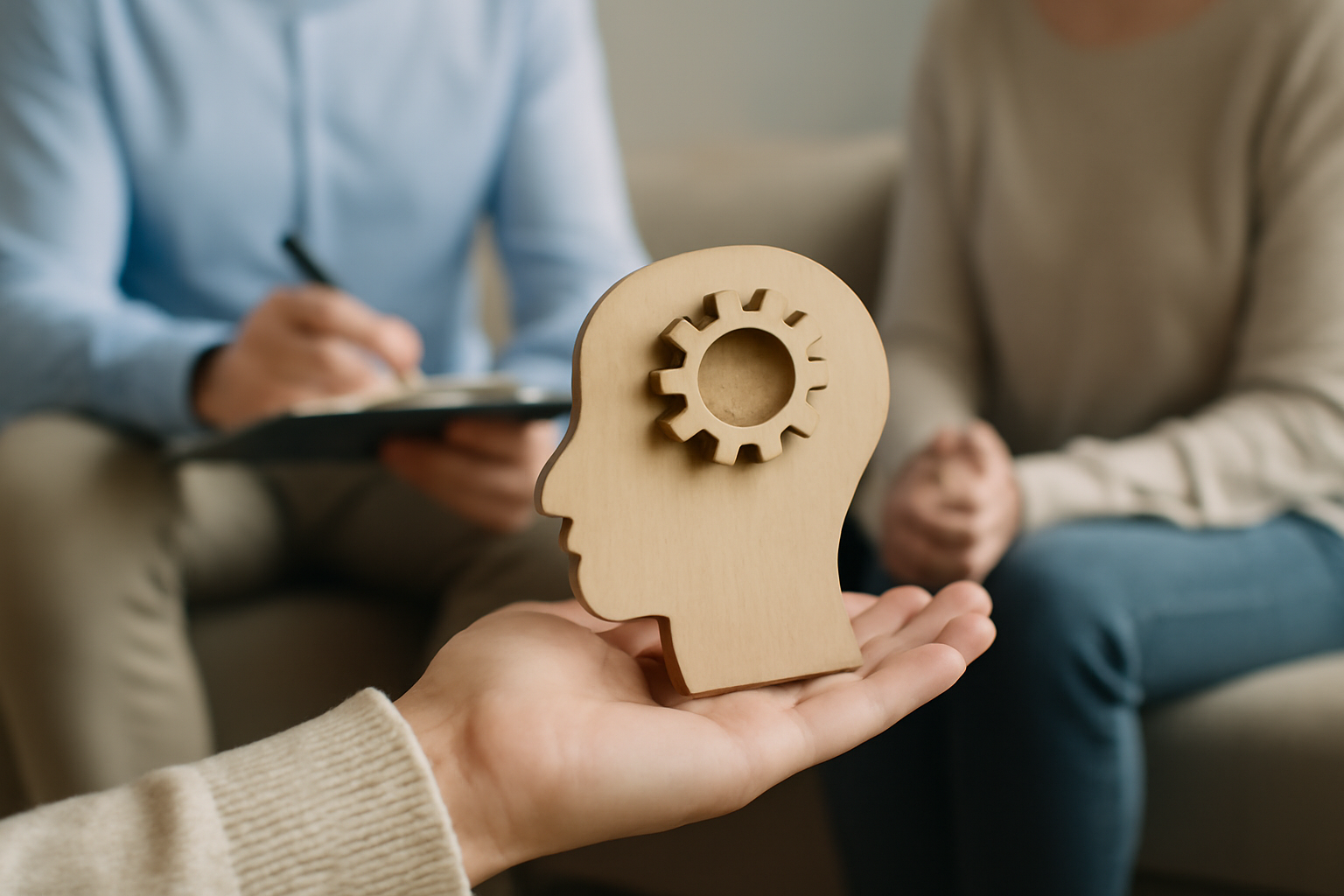
- Modeling excellence: Core practitioners study what high performers do successfully and replicate those strategies for others. The idea is that skills can be abstracted, taught, and adapted to different settings.
- Representational systems: NLP emphasizes how people represent experiences through sight, sound, and touch (visual, auditory, kinesthetic), as well as smell and taste. Differences in these representations shape emotion and behavior.
- Submodalities: Within each representational system, people can adjust the fine-grained qualities (e.g., brightness, clarity, tempo) to shift meaning and feelings.
- Outcome orientation: Clear, well-formed goals guide change. Practitioners help clients articulate specific, attainable outcomes and track progress.
- Rapport and calibration: Building trust and reading subtle cues support effective intervention and client collaboration.
- Linguistic patterns: Language shape how we frame experiences. Techniques include reframing, question patterns (modeling and challenging beliefs), and guided storytelling to alter interpretations.
These foundations are intended to offer practical tools for personal development. While many clients report positive experiences, it is important to note that, like other approaches, results vary and depend on context, practitioner skill, and client involvement.
How the technique works
- The practitioner and client define a precise goal and a measurable criterion for success.
- Through guided questions, the client identifies the sensory representations linked to the current issue and begins to shift submodalities (e.g., making a troubling image smaller or dimmer).
- Techniques such as anchoring help the client associate positive feelings with cues they can use later.
- Language changes how a situation is interpreted, making it easier to respond rather than react.
- New responses are practiced in-session, then reinforced through between-session exercises and future pacing (imagining successful outcomes).
- The practitioner checks whether the change generalizes to real-life situations and makes adjustments as needed.
What to expect during sessions
- Most sessions run 60–90 minutes, beginning with a goal check, followed by technique application and practice. Some sessions end with a plan for home practice.
- Clients participate actively—asking questions, describing experiences, and applying techniques between sessions.
- It is common to experience strong emotions as old patterns shift. A skilled practitioner provides a safe environment and pacing.
- Progress is tracked through self-reports, behavioral changes, and, when appropriate, brief assessments tied to goals.
- A professional boundary is maintained, with clear consent, confidentiality, and discussion of limits of NLP in relation to other therapies.
Conditions it’s most effective for
- Anxiety and phobias (e.g., fear of public speaking, dogs, heights)
- Low confidence, self-limiting beliefs, and performance concerns
- Habit change and behavior modification (e.g., procrastination, mild habit loops)
- Communication skills, rapport building, and relationship patterns
- Stress management and coping skills
Important caveats: NLP is not a guaranteed treatment for clinical disorders. For trauma, severe mood disorders, or complex mental health conditions, NLP is typically used alongside evidence-based therapies under appropriate supervision. Always discuss your needs with a licensed professional if there is a risk to safety or well-being.
Process and timeline
- Assessment of goals, history, and current circumstances. Establishing rapport and a plan for intervention.
- Sequential techniques are applied to shift representations, beliefs, and responses. Home practice reinforces in-session gains.
- Periodic reviews determine whether goals are met or need adjustment.
- A typical course ranges from 4–12 sessions for many issues; some clients see benefits sooner, others may need longer for complex patterns.
- Periodic check-ins help maintain gains and adapt strategies as life changes.
Training and qualifications for practitioners
- NLP training varies widely by program and country. Some practitioners are coaches, others are psychologists or counselors who incorporate NLP techniques.
- Seek programs with reputable curricula, clear competency standards, and case-based supervision. Look for ongoing professional development and peer supervision.
- Verify informed consent, client welfare, confidentiality, and a plan for emergencies. If NLP is combined with therapy, ensure that a licensed clinician oversees clinical aspects.
- While many clients report benefits, practitioners should stay informed about the broader evidence base and avoid overpromising outcomes.
Considerations for those interested
- Review the available research and discuss realistic outcomes with a potential practitioner. Consider NLP as one part of a broader toolkit.
- Ask about training, methods used, session length, cost, and how progress will be measured. A trial session can help assess fit.
- Consider in-person versus online sessions, scheduling, and accessibility needs.
- For trauma or severe mental health concerns, coordinate care with a licensed mental health professional; NLP techniques should be used judiciously and ethically in such contexts.
- Language, beliefs, and cultural background influence how techniques land. A respectful, culturally sensitive approach supports better outcomes.
If you’d like to read more about NLP from different perspectives, explore introductory resources such as Wikipedia overview, ANLP, and Verywell Mind overview.
⚠️ This content is for informational purposes only and is not a substitute for professional medical advice, diagnosis, or treatment. Always consult a licensed physician, psychiatrist, psychologist, or other qualified healthcare professional before making decisions about medications, mental health treatment, or alternative and holistic treatment.