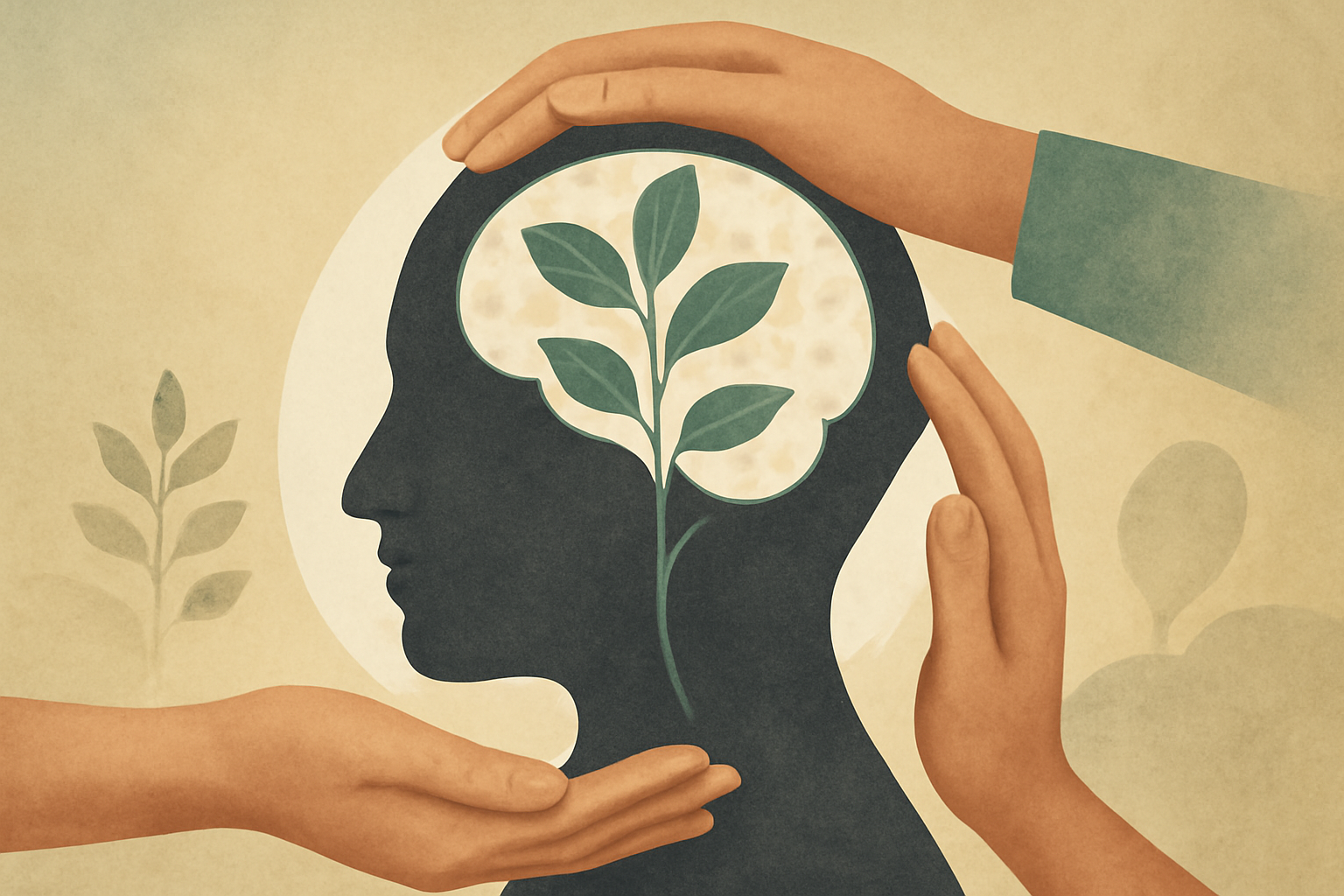
Integrative mental health blends conventional care with evidence-informed complementary approaches to address symptoms and overall well-being.
Regular aerobic exercise is associated with reductions in depressive and anxious symptoms. Activity stimulates the release of endorphins.
Holistic mental health care expands the lens beyond symptom relief to include lifestyle, physical health, relationships, and environment.
Exploring alternative approaches to anxiety treatment can empower people to tailor relief to their lives beyond medications or traditional talk
Randomized studies and systematic reviews have linked mindfulness-based relapse prevention with reductions in craving intensity.
Understanding natural treatments for bipolar disorder can empower people to support mood stability, complement medical care, and reduce relapse risk.
Holistic treatment for eating disorders views recovery as a restoration of balance across mind, body, and spirit. It emphasizes integrated care.
Alternative mental health counseling uses non-traditional, client-centered approaches that engage body, mind, creativity, and environment in care.
These methods often emphasize experiential learning, embodiment, creativity, mindfulness, and community or social supports to promote well-being.
Integrative psychiatry is a patient-centered approach that blends conventional psychiatric care with evidence-guided complementary therapies