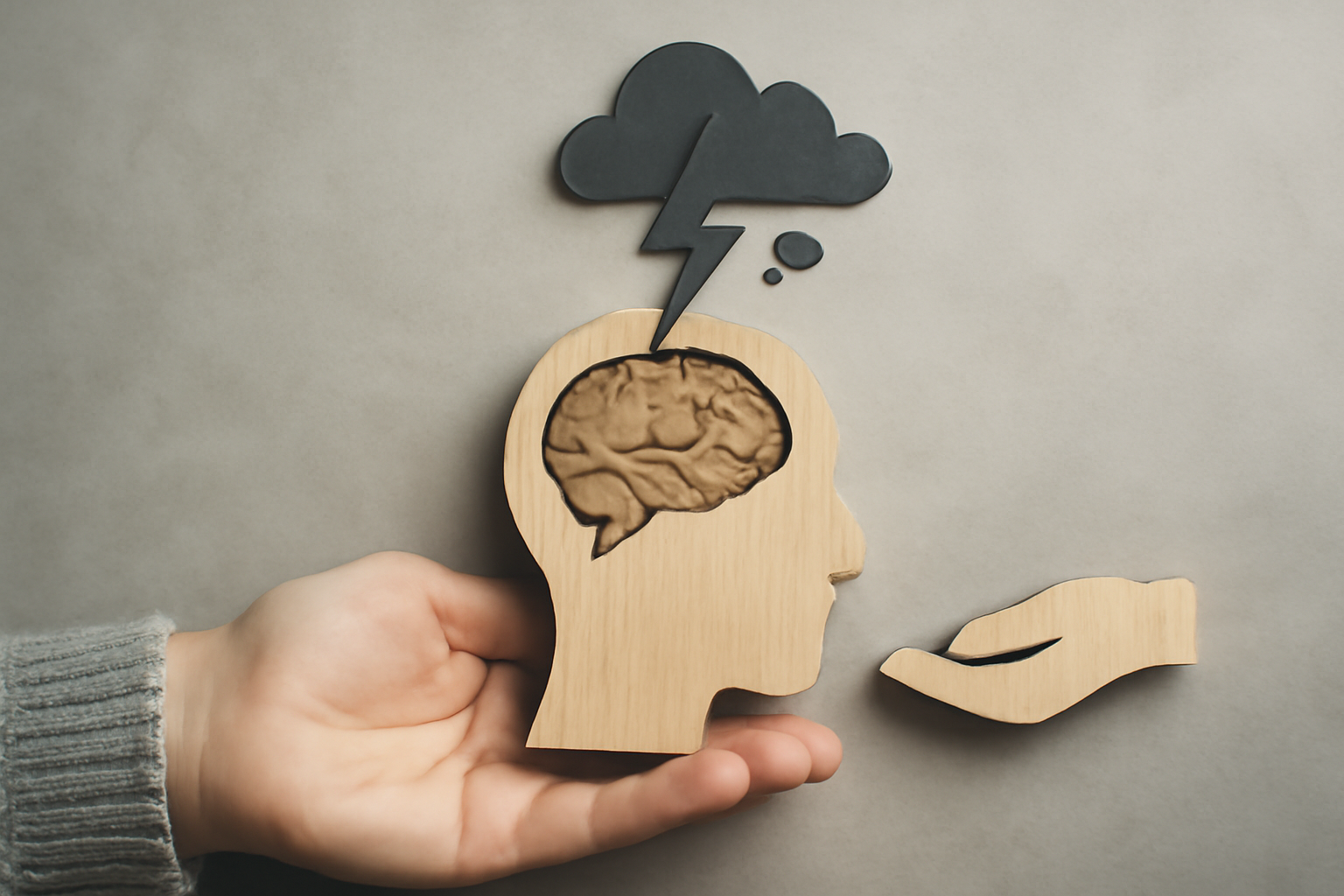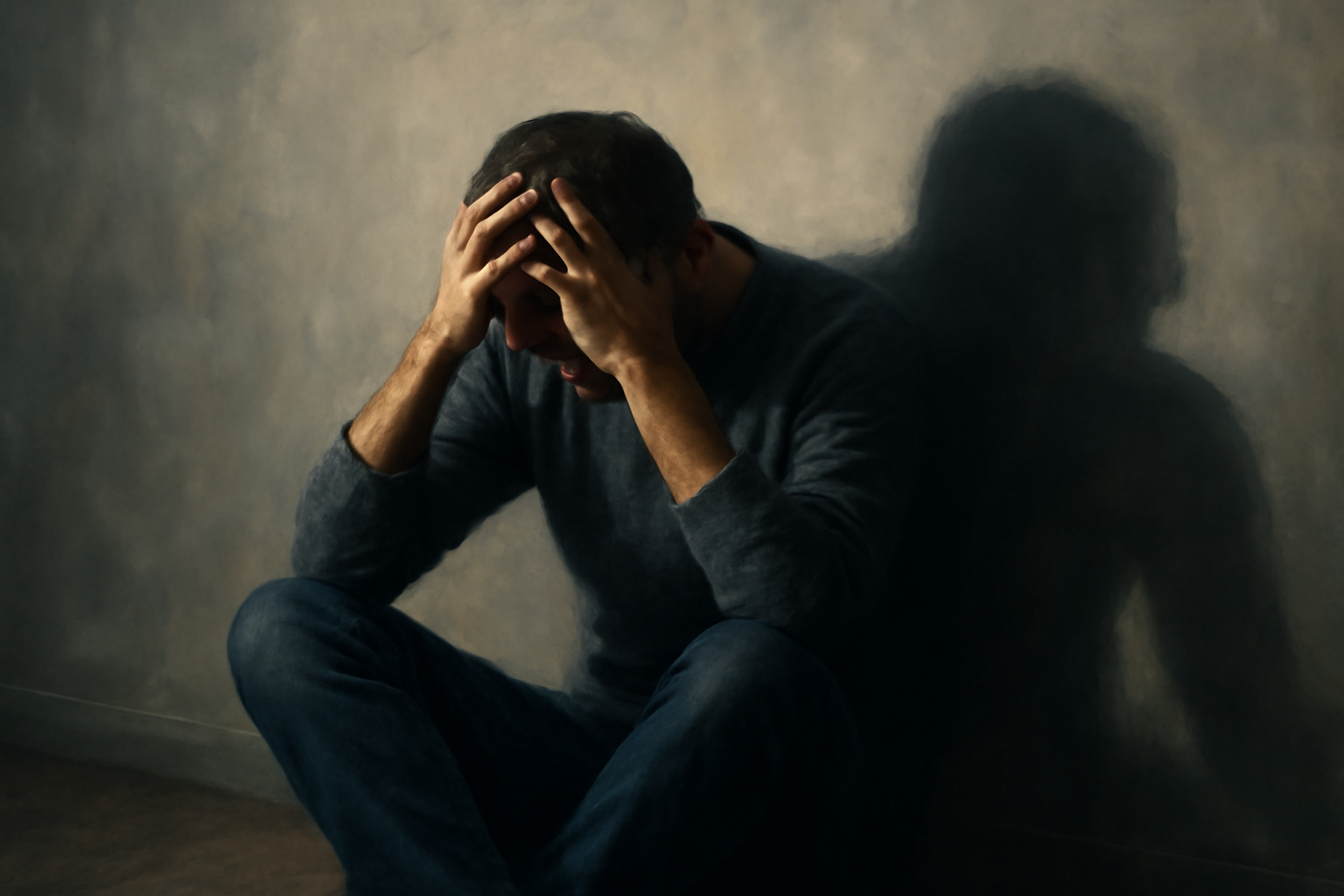
PTSD and depression are common, treatable mental health conditions that can develop after trauma or in the context of mood-related changes.
PTSD and depression after trauma arise from a mix of factors that differ by person and situation. Not everyone exposed to trauma develops PTSD.
Stigma reduction through respectful language. The words we use can shape how people feel about seeking help. Emphasize person-first language.
Coping with depression provides practical, evidence-based skills that can reduce distress, restore daily functioning, and nurture a sense of hope.
Understanding mental health workers is essential because they are the frontline connectors between people in distress and evidence‑based care.
Stress and anxiety often arise in response to specific life situations, but they can also appear without an obvious trigger.
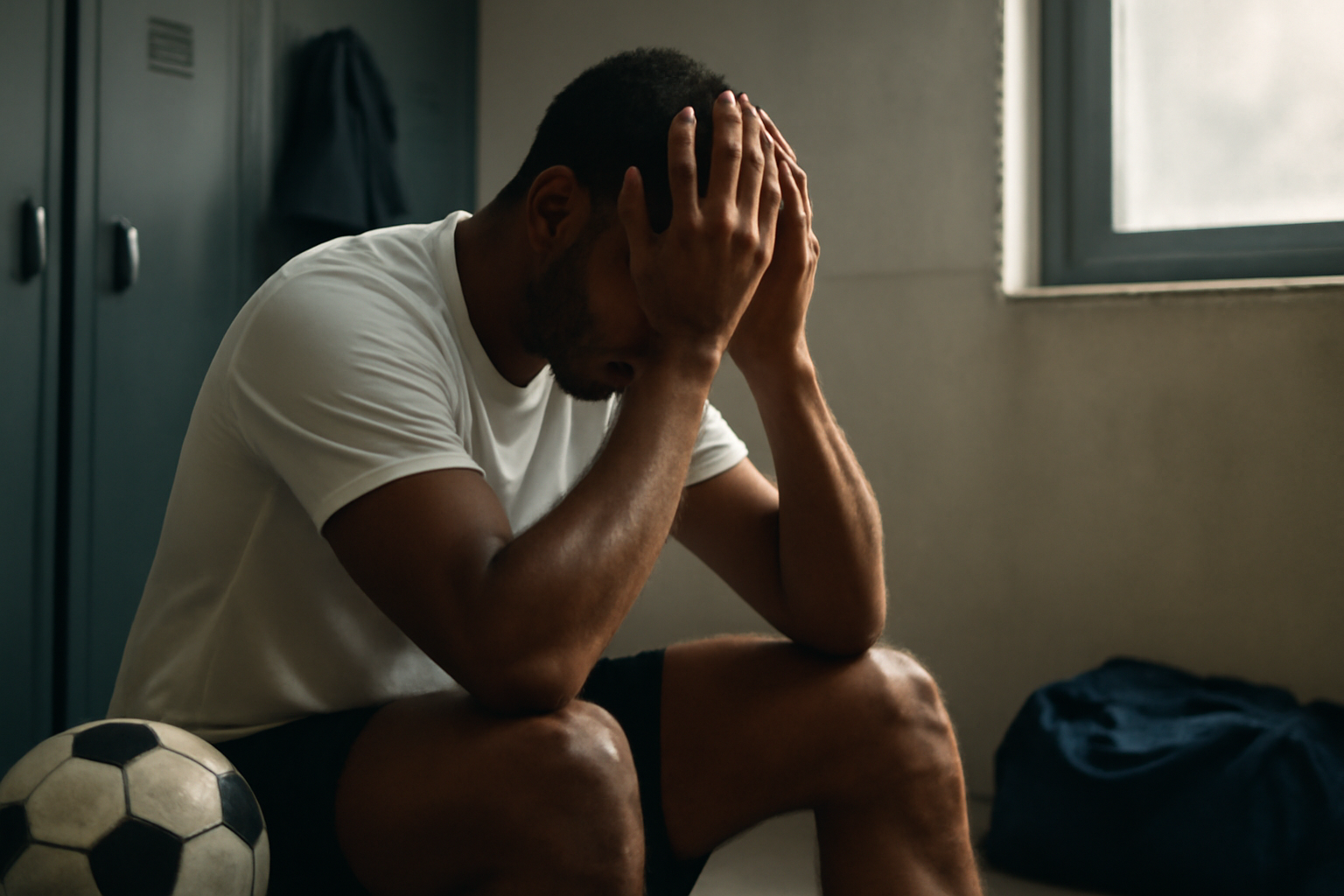
Mental health in sport encompasses emotional, psychological, and social well-being as it relates to training, competition, and life beyond the field.
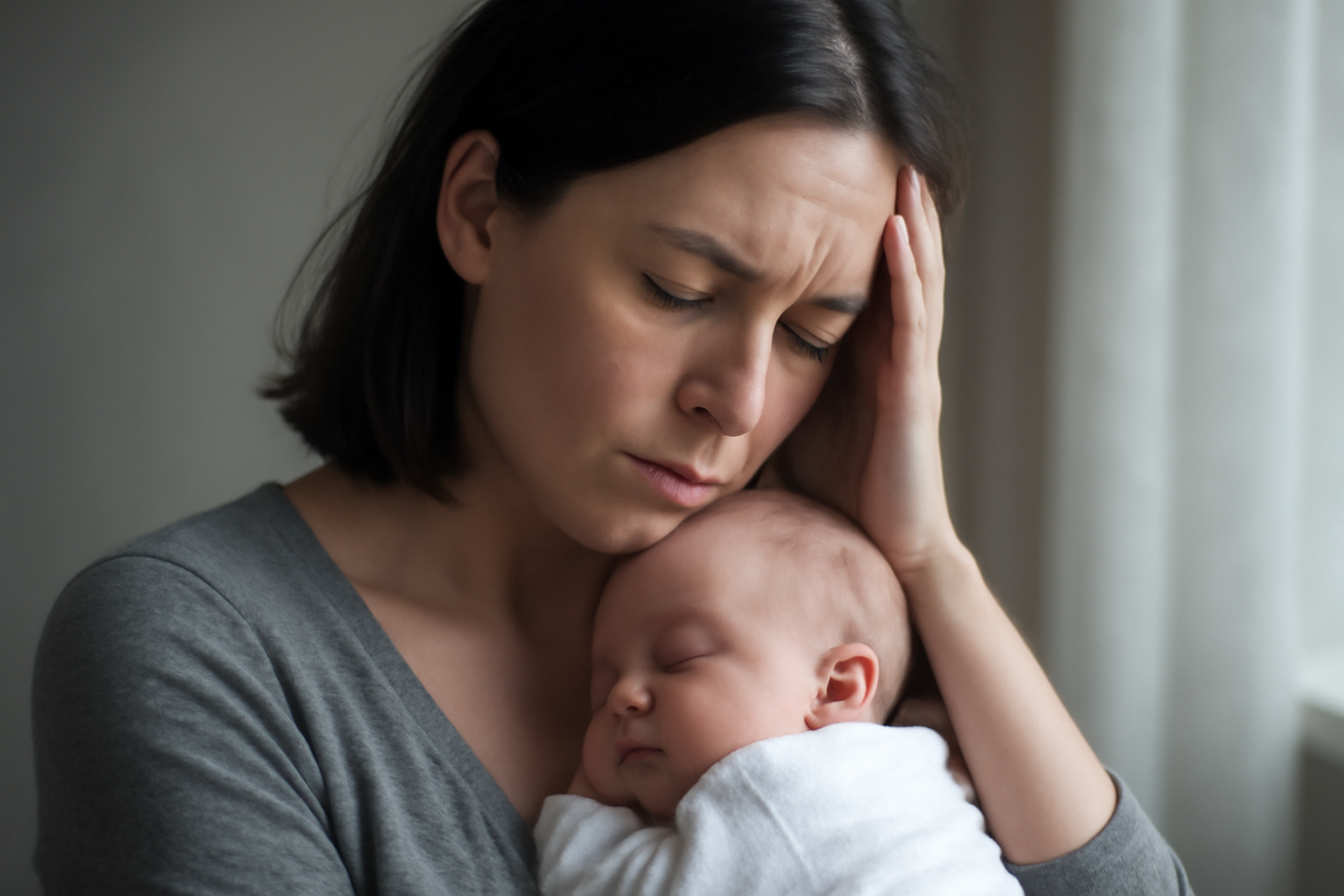
It is not a sign of weakness, and with accurate information and timely support, most people recover and can bond meaningfully with their baby.
Severe anxiety is a real, treatable pattern of intense fear or worry that can disrupt daily life. This article provides a clear overview
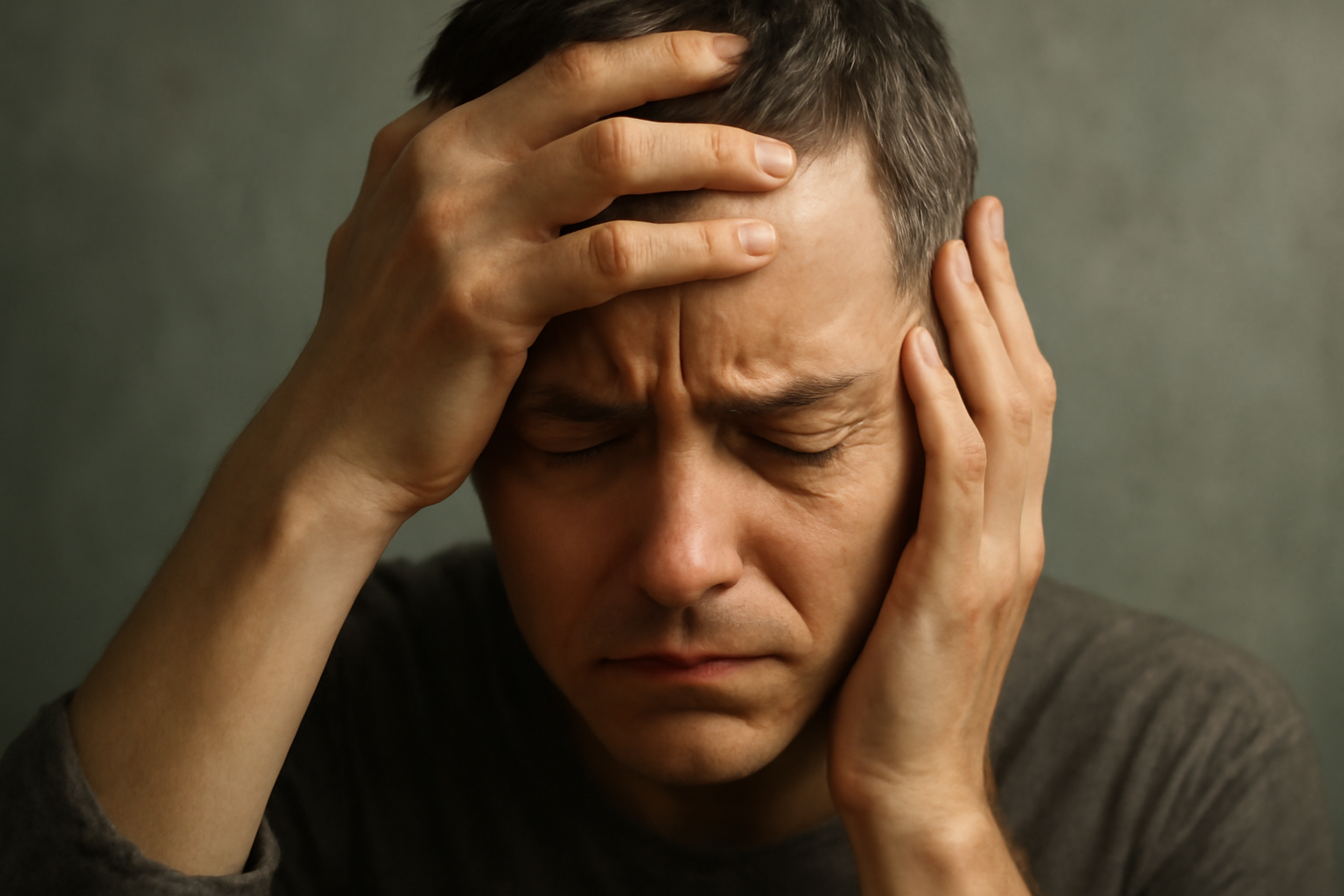
Seeking information about mental health symptoms is a normal and useful step. This article explains how stress can contribute to depressive feelings.