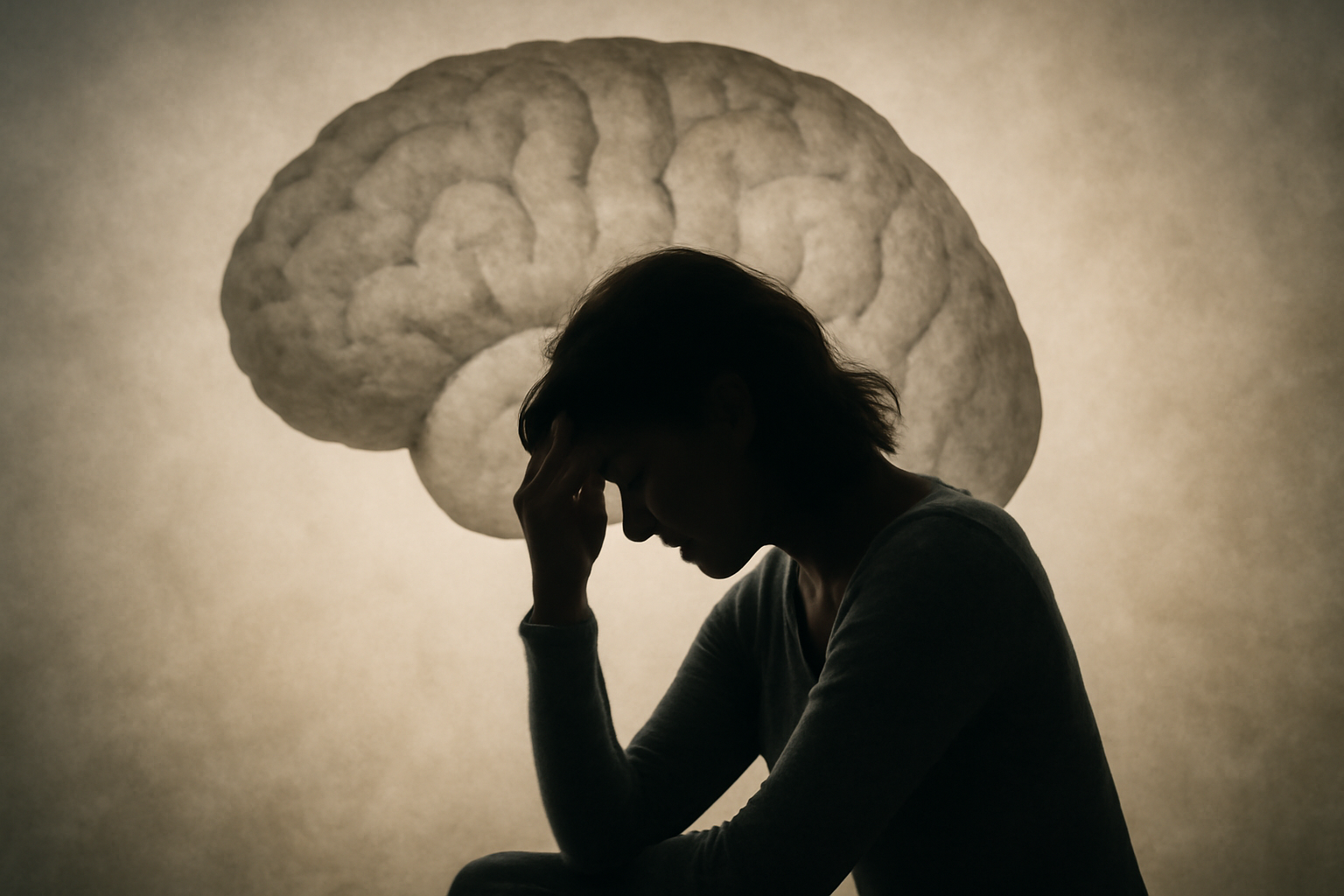
Open, nonjudgmental conversations reduce stigma and encourage help-seeking. Normalize asking how someone is doing and listening with care.
Early recognition and professional care can improve outcomes and help teens pursue education, friendships, and goals they care about.
Social media affects mental health, shaping mood, sleep, and daily behavior—understanding it helps people use media more consciously.
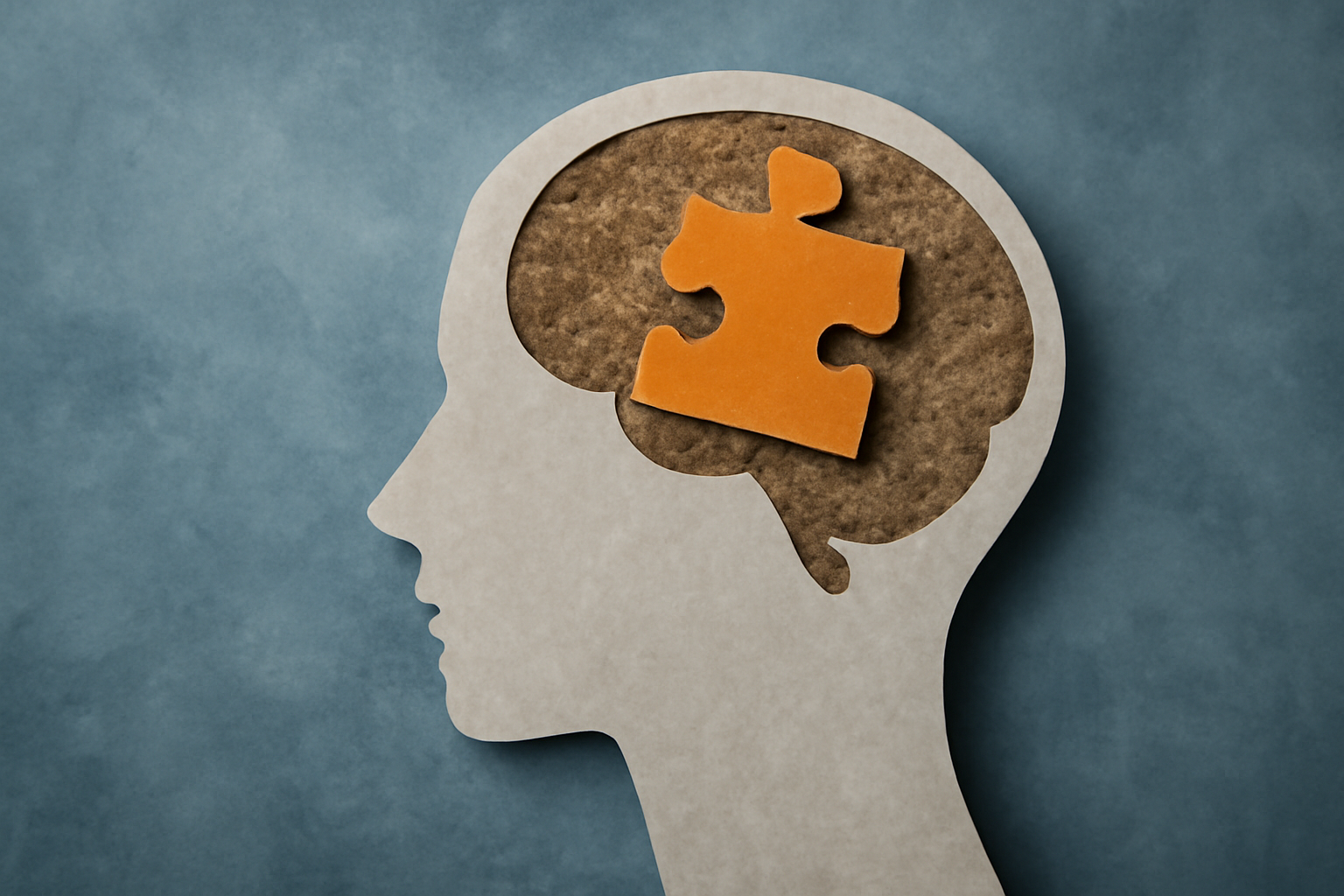
Mental health refers to the emotional, psychological, and social well-being that affects how we think, feel, and act. It influences
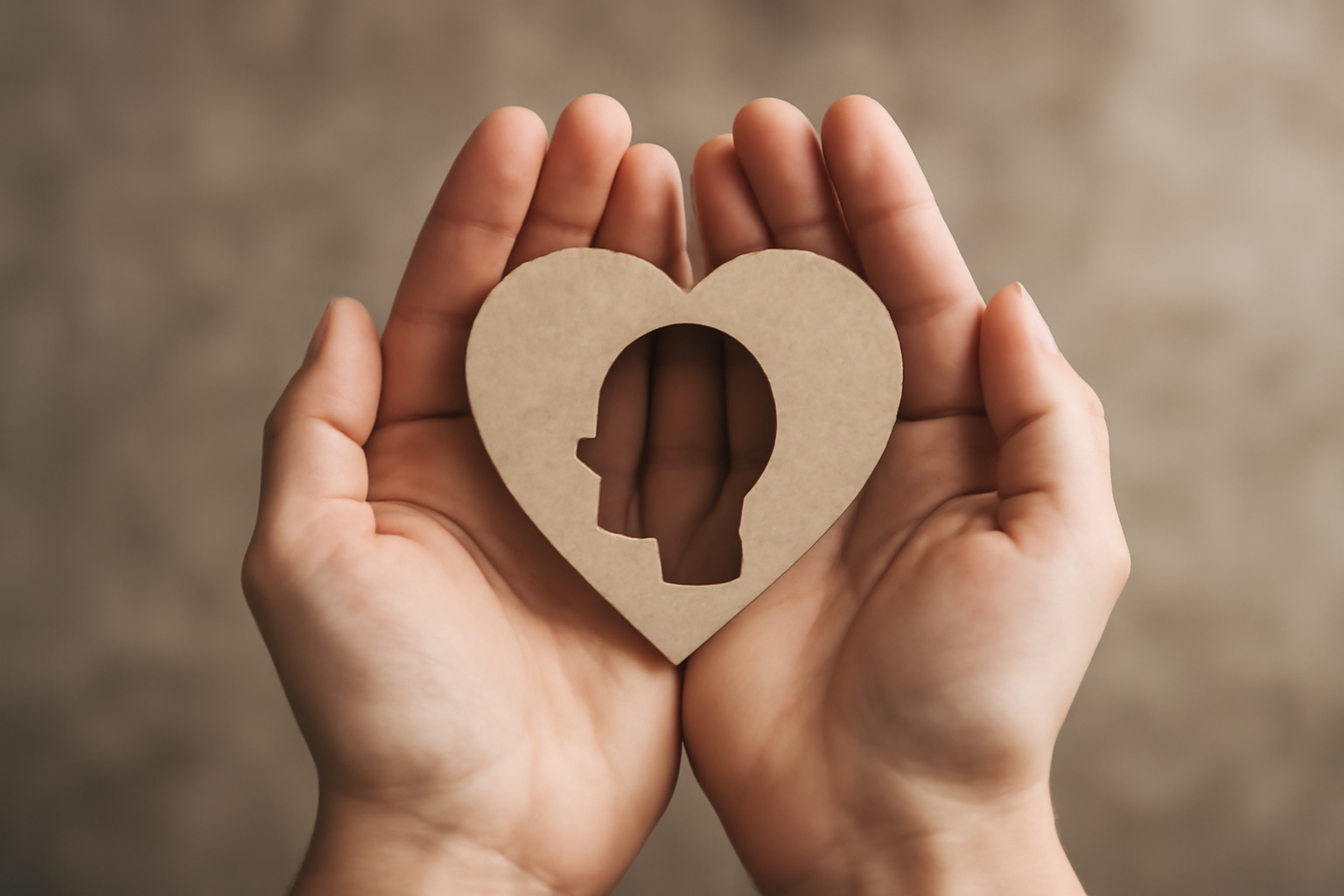
Compassion mental health refers to how people experience and express care toward themselves and others, shaping mental well-being.
Psychological therapies (e.g., cognitive-behavioral therapy, mindfulness-based approaches) work by teaching skills to identify distorted thinking.
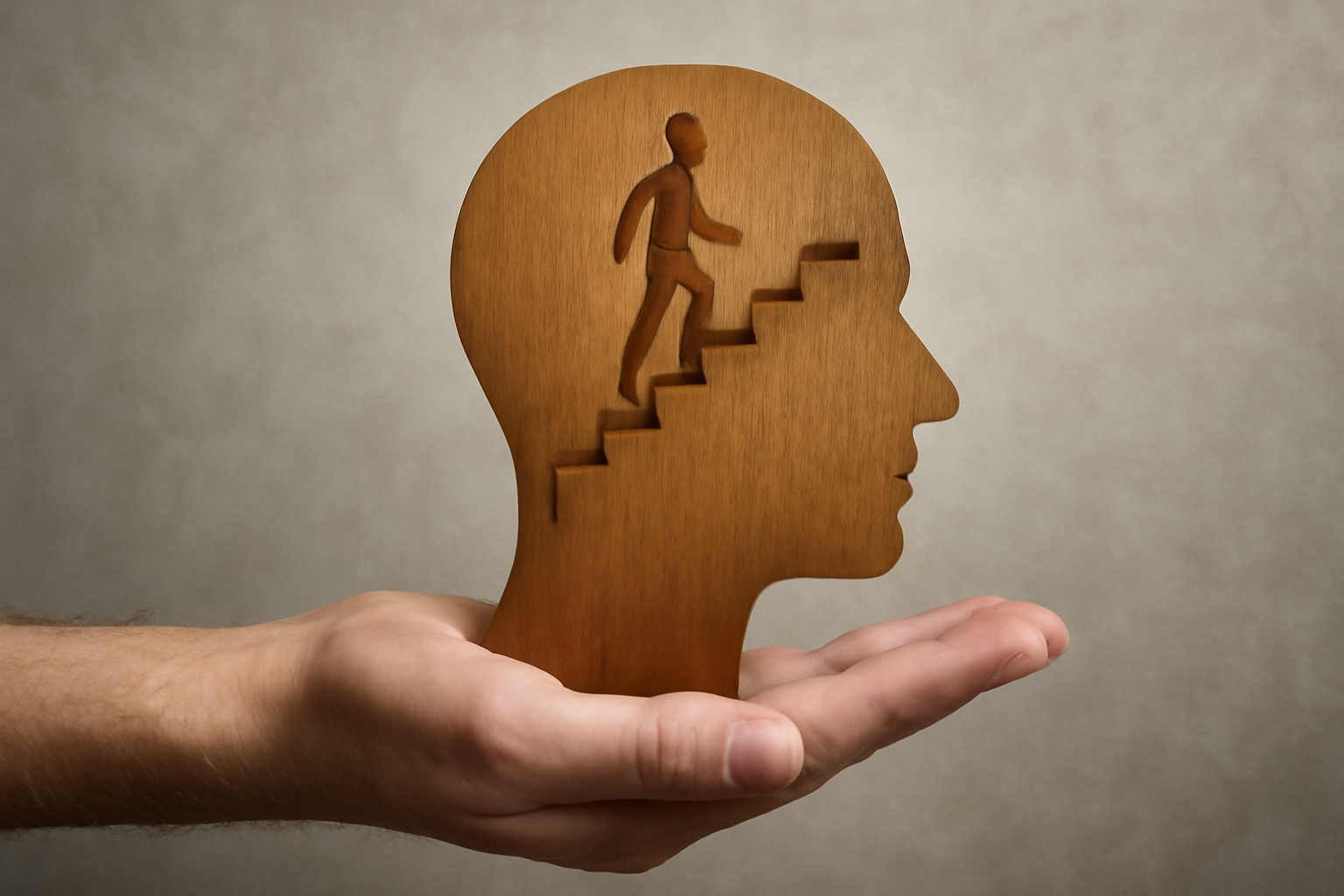
Fighting depression with evidence-based techniques helps restore balance, reduce persistent sadness, and reengage daily life.
Schizophrenia is a chronic brain condition that affects how a person thinks, feels, and perceives reality. In women, the illness is not rare.
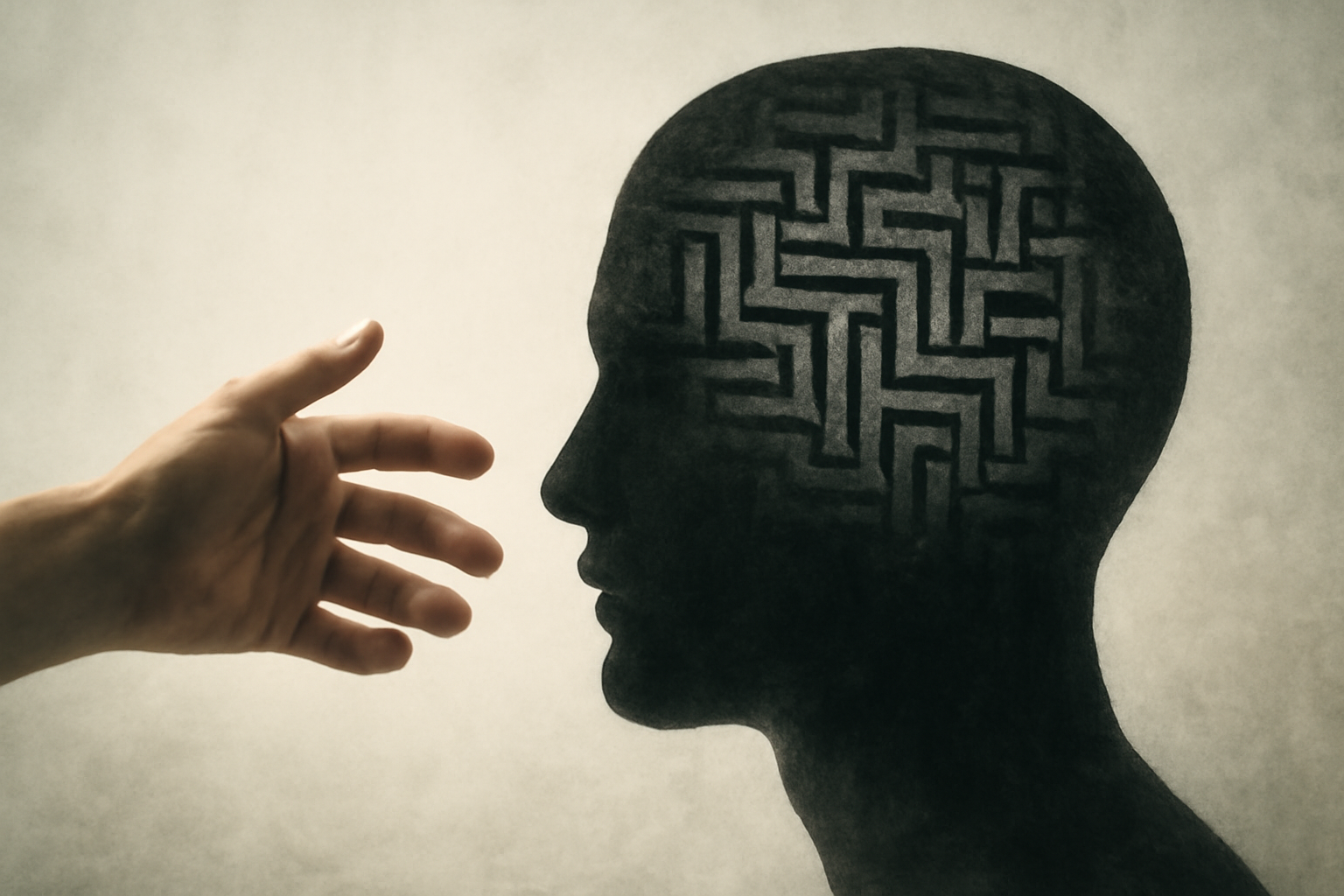
Understanding anxiety and depression can help you recognize what you’re experiencing, know when it’s more than ordinary stress, and find appropriate.
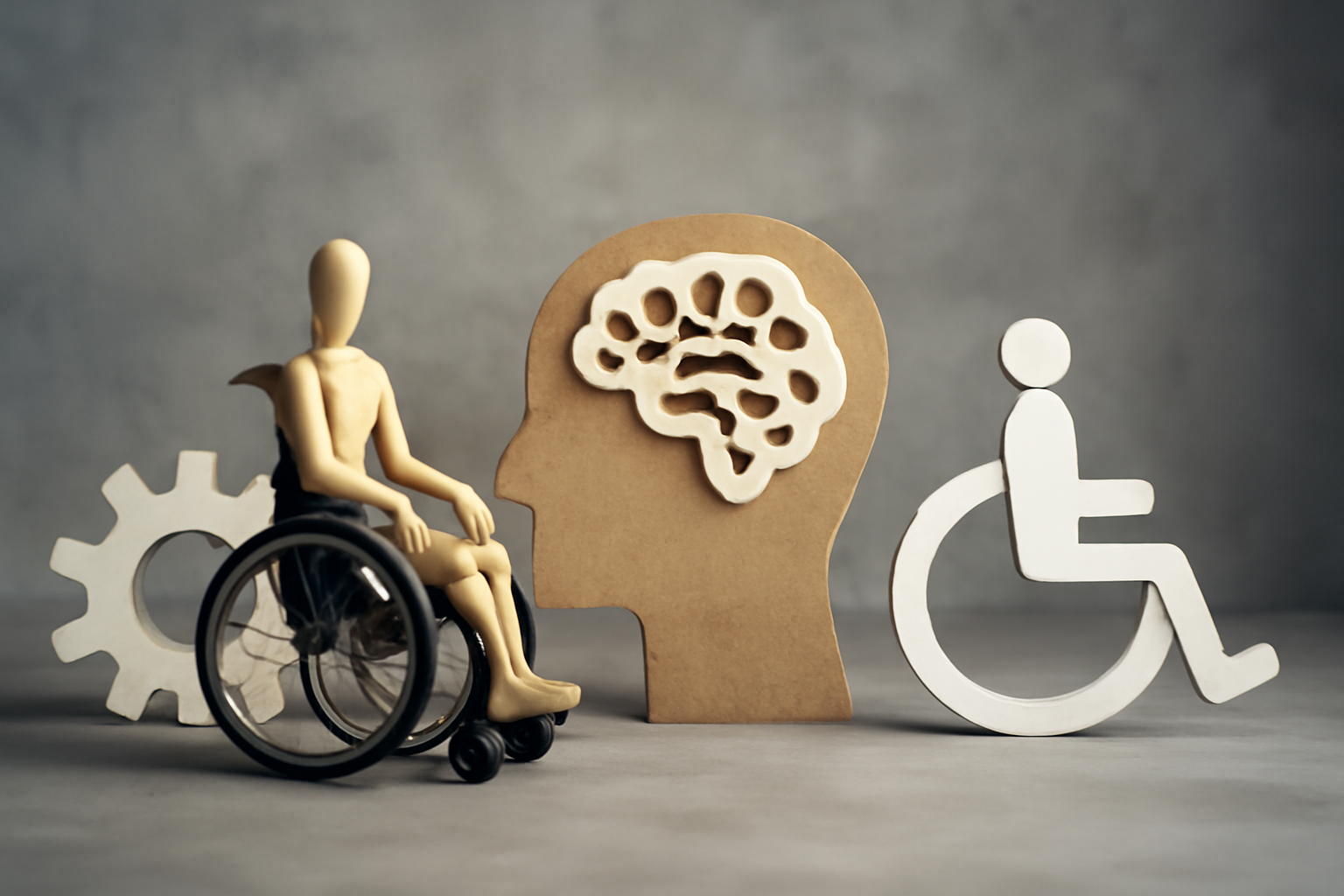
Grasping the relationship between disability and mental health matters for health equity, social participation, and personal well‑being.