An integrative approach to mental health recovery combines evidence-based care with complementary practices, lifestyle changes, and social supports.
Consistent aerobic exercise (such as brisk walking, cycling, or swimming) has been shown to reduce anxiety symptoms and improve mood for many people.
Holistic mental health coaching is a collaborative, client-centered approach that treats well-being as a dynamic integration of mind, body.
Complementary strategies are most effective when they prepare, sustain, and deepen specialized trauma treatment. Here’s how they tend to help:
Complementary and integrative mental health focuses on aligning mind, body, and environment to support well-being alongside conventional care.
IPSRT teaches people to stabilize daily routines and social rhythms, reducing relapse risk when used together with medications.
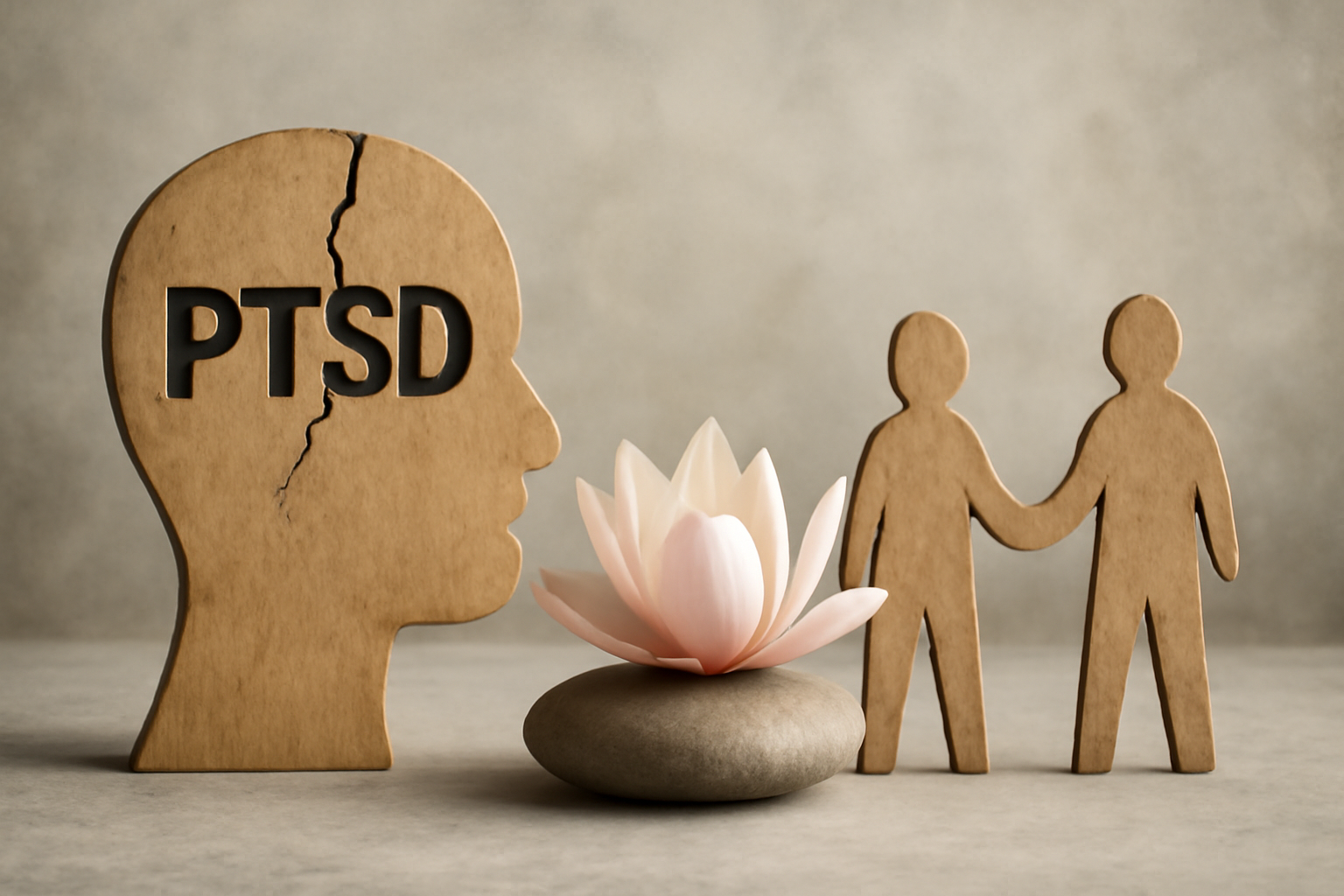
Holistic therapy for PTSD blends evidence-based trauma treatment with practices that support mind, body, and spirit, guiding integrated recovery.
Understanding alternative medicine for anxiety disorders is important because many people turn to nonpharmacologic options to reduce symptoms.
Integrative mental health blends standard medical care with complementary, lifestyle-based approaches to personalize care and support functioning.
Mindfulness-based practices help many people observe thoughts and sensations with less reactivity, supporting emotion regulation and stress resilience