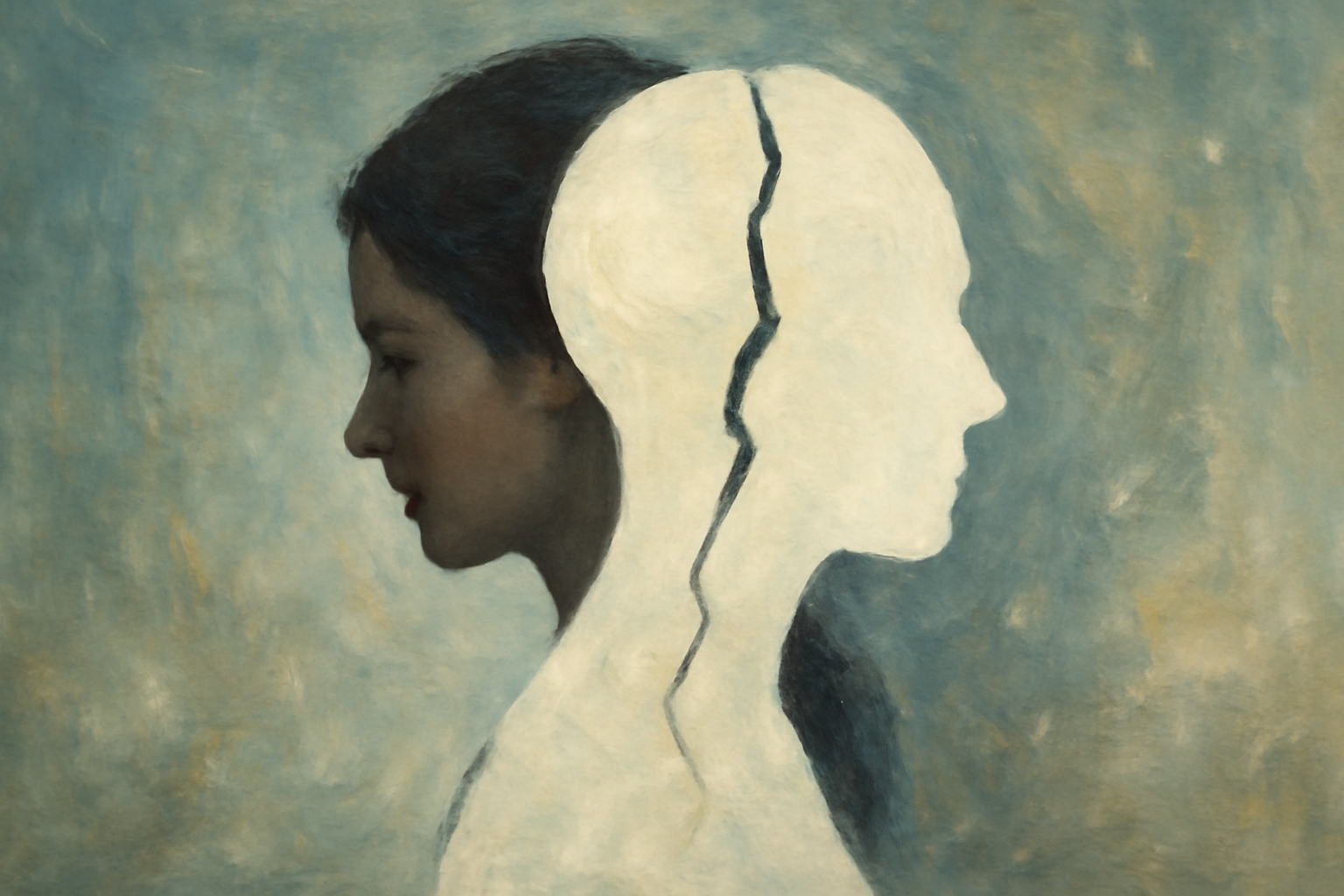
Dissociative disorders are a group of conditions characterized by disruptions in a person’s normal integration of memory, identity, emotion.
Reactive Attachment Disorder is real and treatable; with stable caregiving, compassionate support, and evidence-based therapy, children can heal.
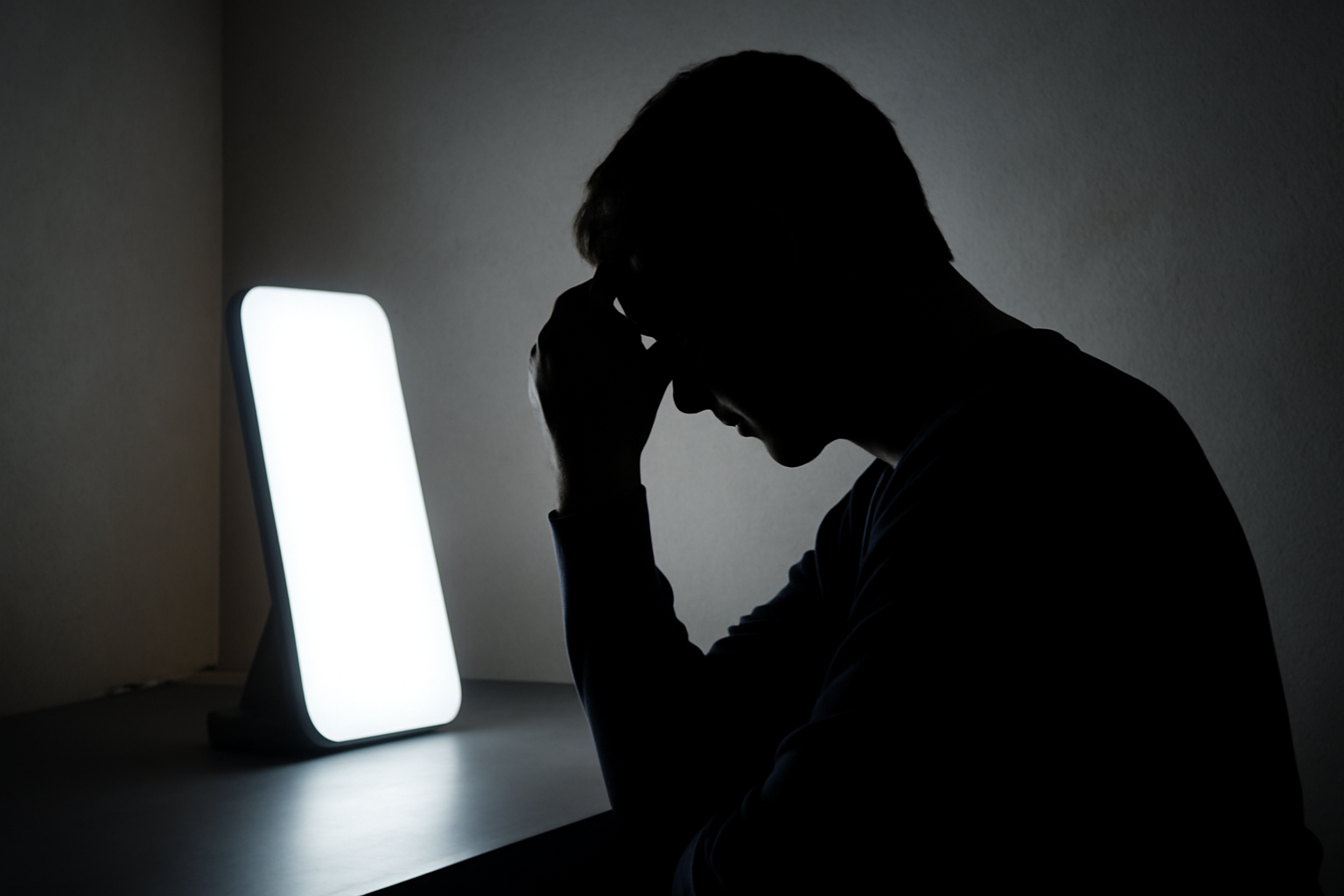
Light therapy, often referred to as SAD light therapy, uses bright light to influence the body’s biological clock and mood-regulating systems.
to slow down, reflect, and examine inner processes, this approach aims to foster insight, emotional regulation, and healthier relationships.
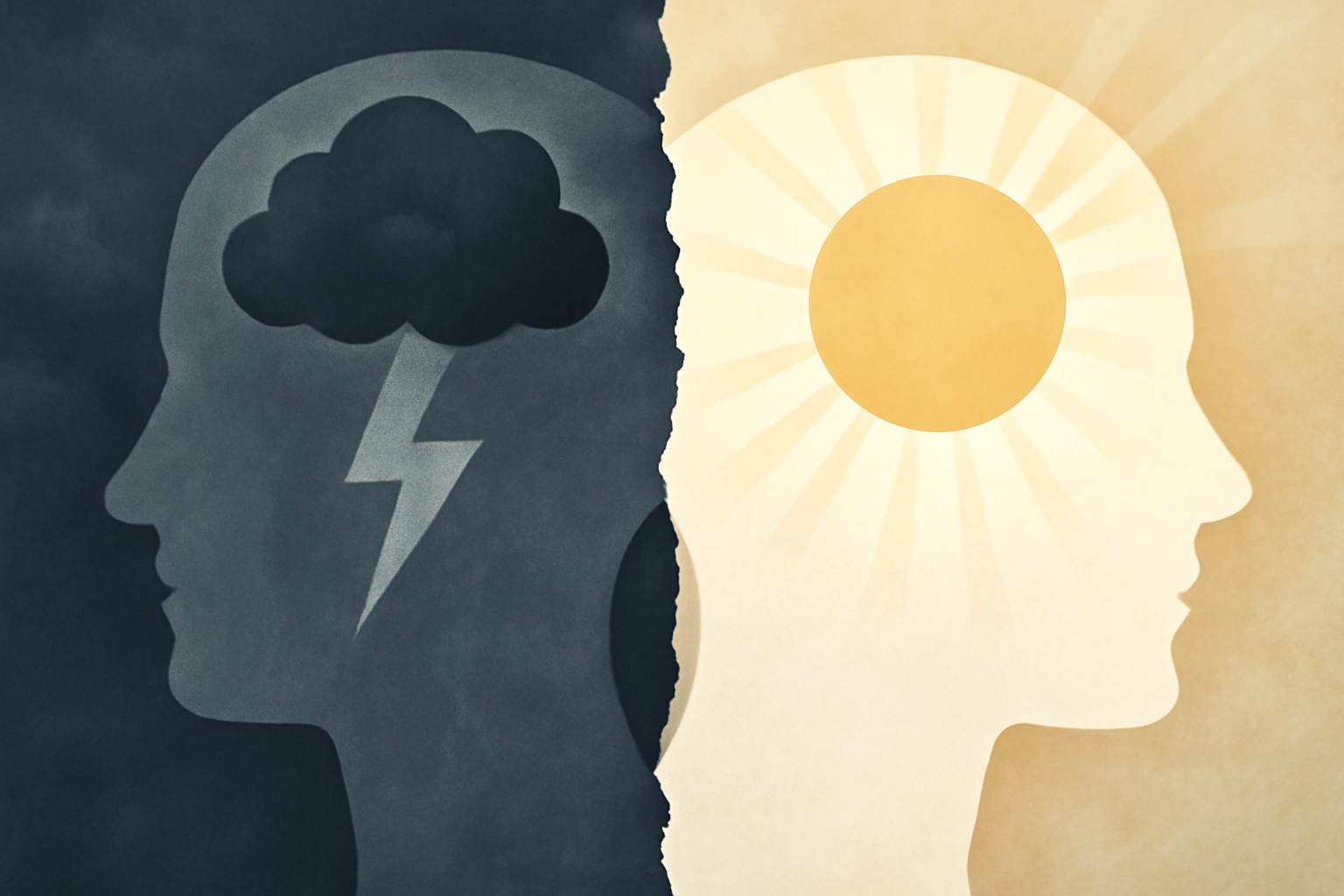
Bipolar I disorder is a chronic mental health condition characterized by recurrent mood episodes that can be severe and disrupt daily life.
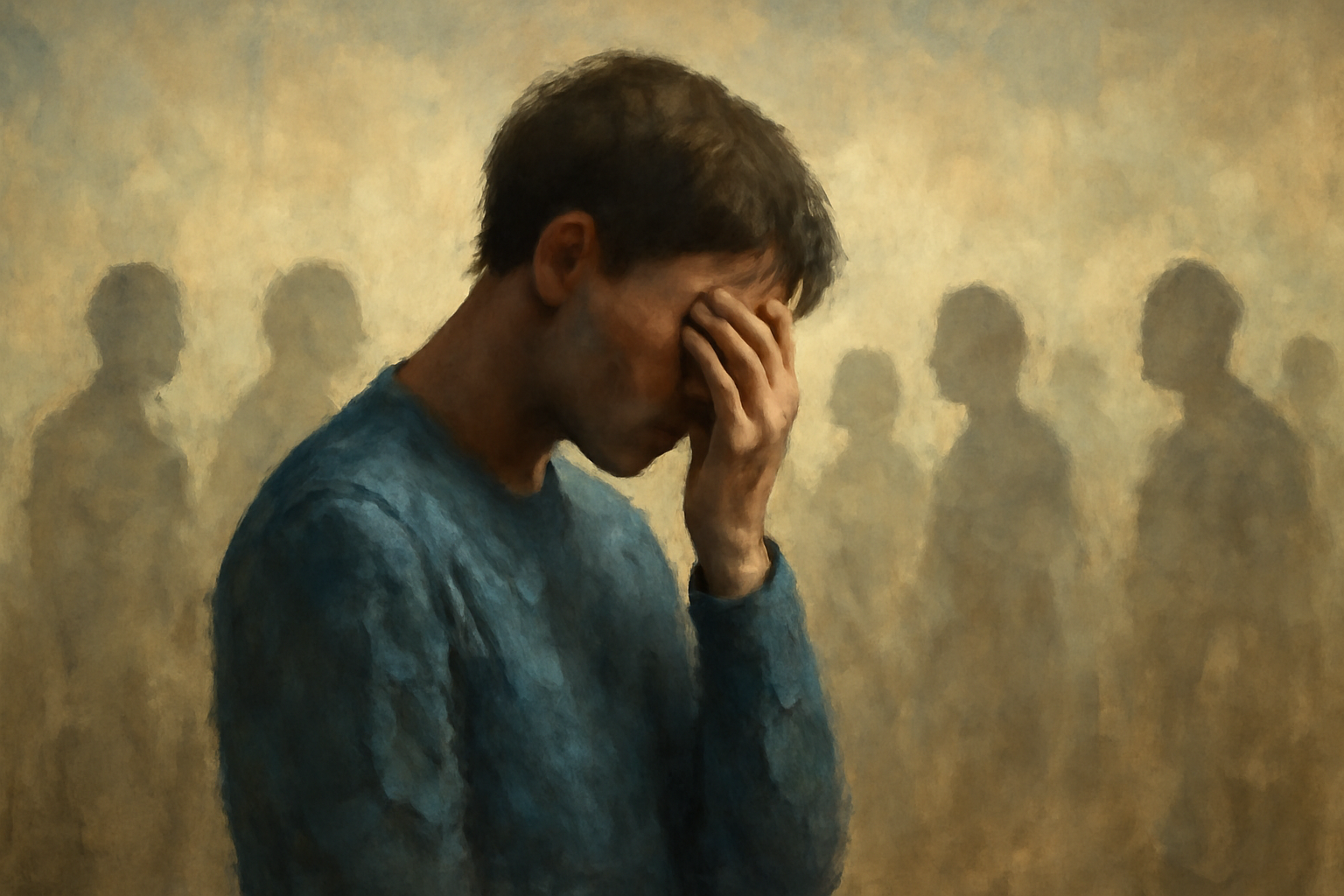
Social anxiety disorder (SAD) involves a persistent and intense fear of social or performance situations where there is potential scrutiny by others.
Psychotic disorders are among the most misunderstood areas of mental health. They are not a sign of personal failure, nor a choice or weakness.
It's normal to seek information to understand what you’re experiencing and to know when it might be helpful to talk with a professional.
Seeking information about bipolar mood disorder is a proactive step toward understanding your experiences or supporting someone you care about.
This article offers a clear, hopeful overview of signs that can be related to bipolar disorder, how these signs may present, and when to seek help.