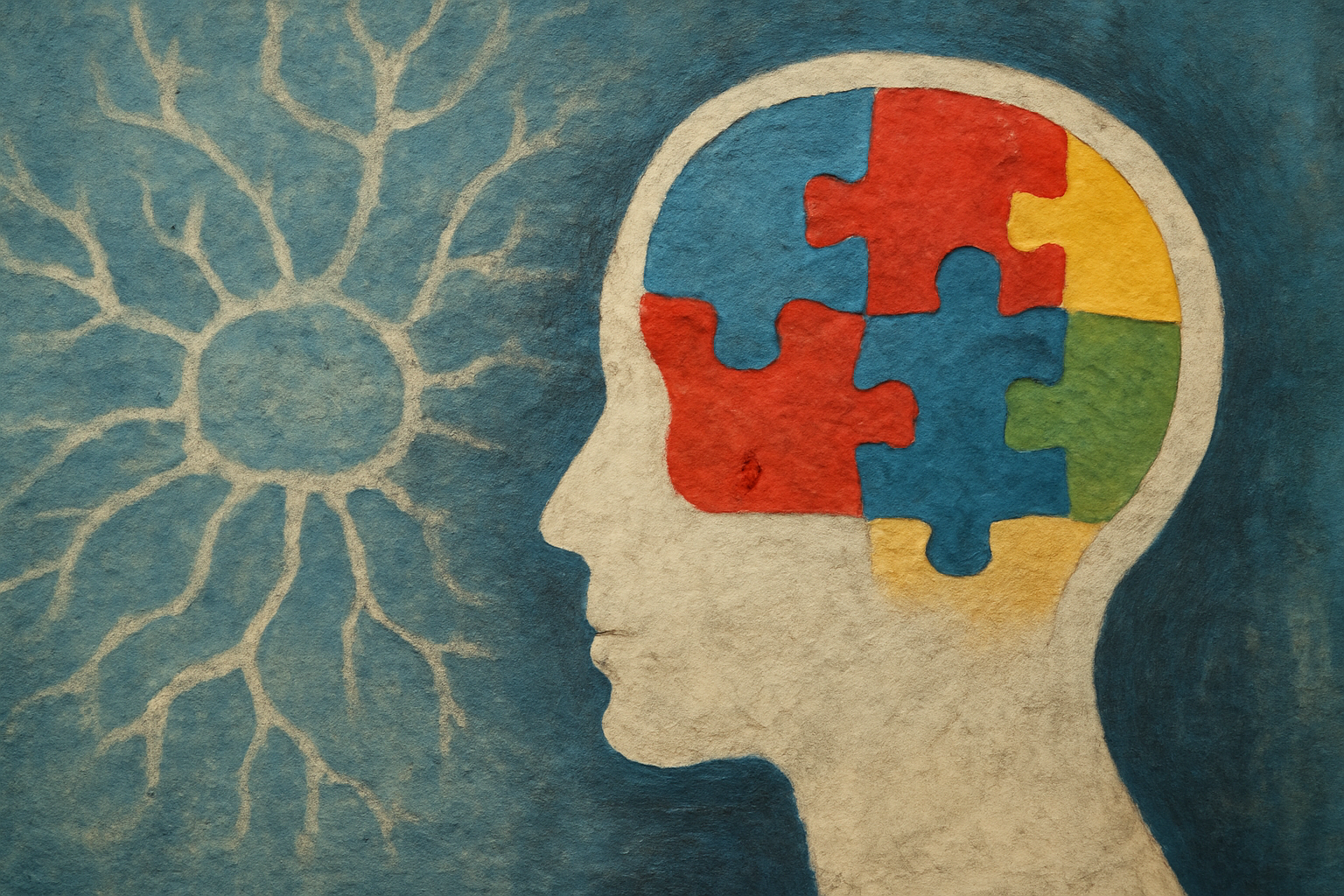
Understanding autism in adults matters because it shapes how people navigate work, relationships, and daily life long after childhood.
Autism is not a defect to be “fixed.” It is a neurodevelopmental difference that, with the right accommodations and communities, can be managed.
The practical value of a diagnosis lies in turning information into action. It guides planning, education, therapy, and community supports.
Autism testing is not a single test but a process. It often begins with screening to identify early signs and moves toward a comprehensive evaluation
ASD is a spectrum because people with ASD can have a wide range of abilities and needs. Some individuals may require substantial support.
Autism is characterized by two core domains that typically appear in early childhood, though the exact timing and presentation vary:
Somatic experiencing is a body-centered approach to healing trauma, guiding regulation through present moment, gentle work.
Rational Emotive Behavior Therapy (REBT) is a practical, directive form of psychotherapy designed to help people change disruptive emotional patterns.
Light therapy harnesses the power of bright, carefully calibrated light to influence brain chemistry, sleep-wake cycles, and mood.
Manic bipolar depression refers to a pattern of mood episodes in bipolar disorder that often includes periods of elevated or irritable mood.